Cool-season vegetables like lettuce, peas, and kale grow best in spring and fall. Warm-season vegetables like tomatoes, peppers, and squash need summer heat and warm soil. Winter growing depends almost entirely on your climate. Here’s what to plant in each season, and why each one favors what it does.
| Season | Best Vegetables |
| Spring | Lettuce, peas, spinach, radishes, carrots |
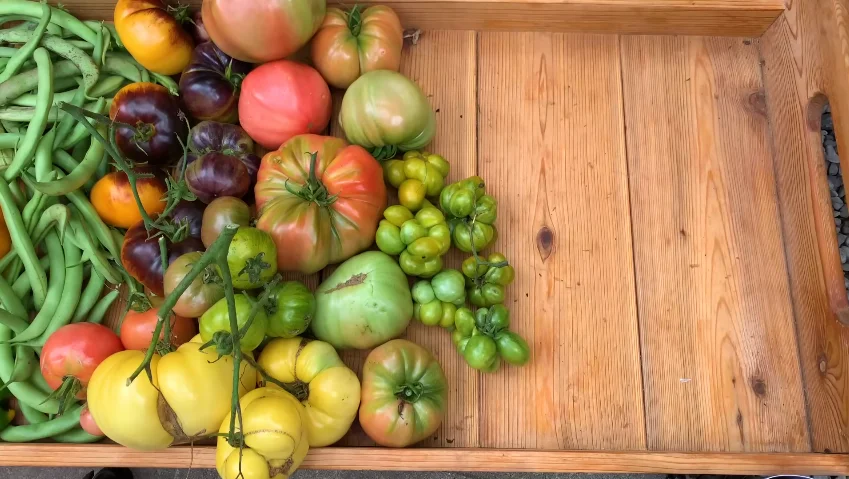
| Summer | Tomatoes, peppers, cucumbers, squash, beans |
| Fall | Broccoli, kale, cabbage, beets, turnips |
| Winter* | Kale, collards, garlic, hardy greens |
*Winter options depend on your climate and growing conditions.
Cool-Season vs. Warm-Season: The Framework Behind Every Season
I used to think the gardening season ended once summer was over. Then a neighbor handed me a bag of freshly picked kale in the middle of December, out of her own backyard, no greenhouse. That one moment rearranged how I thought about seasonal gardening.
The reason it works comes down to a single distinction. Nearly every vegetable is either cool-season or warm-season, and knowing which is which does most of the heavy lifting in garden planning.
What Makes a Vegetable Cool-Season?
Cool-season vegetables grow best in mild temperatures. Many handle a light frost, and some get sweeter after a cold night.
Lettuce, spinach, peas, broccoli, and radishes are the classic examples. They thrive in the cooler weeks of spring and fall and struggle once summer heat arrives.
What Makes a Vegetable Warm-Season?
Warm-season vegetables need warm soil and consistently warm air. Even a light frost can kill them.
Tomatoes, peppers, cucumbers, squash, beans, and eggplants belong here. Plant them too early and they’ll sit still until the weather warms, or take cold damage they never recover from.
Hardiness Tiers: More Nuance Than Cool vs. Warm
If you want to get more precise than the two-category split, vegetables fall along a spectrum.
| Tier | Cold Tolerance | Example Vegetables |
| Hardy | Handles hard frost | Kale, collards, spinach, garlic |
| Half-hardy | Handles light frost | Lettuce, radishes, Swiss chard |
| Tender | No frost tolerance | Beans, corn, summer squash |
| Very tender | Needs consistent warmth | Peppers, eggplant, melons |
Root crops sit outside this cleanly. The tops of carrots and beets get knocked back by a hard freeze while the roots underneath keep fine in the ground, especially under thick mulch. That’s why you’ll see them listed as climate dependent for winter.
The tiers also explain why kale survives conditions that kill a pepper plant outright. They aren’t just “cool” and “warm.” They sit at genuinely different points on the same scale.
Key Takeaway: Cool-season vegetables are your spring and fall crops. Warm-season vegetables are your summer crops. Get that straight and the rest of this guide follows.
Master Table: Vegetables by Season
| Vegetable | Spring | Summer | Fall | Winter |
| Lettuce | Yes | Limited | Yes | Climate dependent |
| Peas | Yes | No | Yes | No |
| Tomatoes | No | Yes | No | No |
| Peppers | No | Yes | No | No |
| Kale | Yes | Limited | Yes | Yes |
| Broccoli | Yes | No | Yes | No |
| Carrots | Yes | No | Yes | Climate dependent |
| Garlic | No | No | Plant here | Overwinters |
| Cucumbers | No | Yes | No | No |
| Beets | Yes | No | Yes | Climate dependent |
Treat this as a starting point. Your local climate, frost dates, and growing zone shift the details.
Month-by-Month Quick Reference
| Months | What’s Happening |
| January to February | Planning, seed ordering, starting seeds indoors. Winter harvests continue in mild climates |
| March to May | Spring cool-season planting |
| June to July | Summer warm-season planting, early fall succession sowing begins in July |
| August | Harvest season, replant fall crops like carrots and broccoli |
| September to November | Fall harvest, some winter prep in mild climates |
| December | Dormant in cold climates, actively growing in mild ones |
Exact timing shifts with your frost dates. Our when to plant your garden guide covers how to calculate them for your location.
Best Vegetables to Grow in Spring
Plant: lettuce, peas, spinach, radishes, carrots, broccoli, cabbage.
Spring gives cool-season vegetables exactly what they want, which is cool soil, mild temperatures, and the occasional light frost. Most of these crops can go in the ground several weeks before your last expected frost date.
The biggest mistake beginners make is waiting until the weather feels warm enough for tomatoes. By then the spring planting window has already closed on half this list, and those crops end up struggling through heat they were never built for.
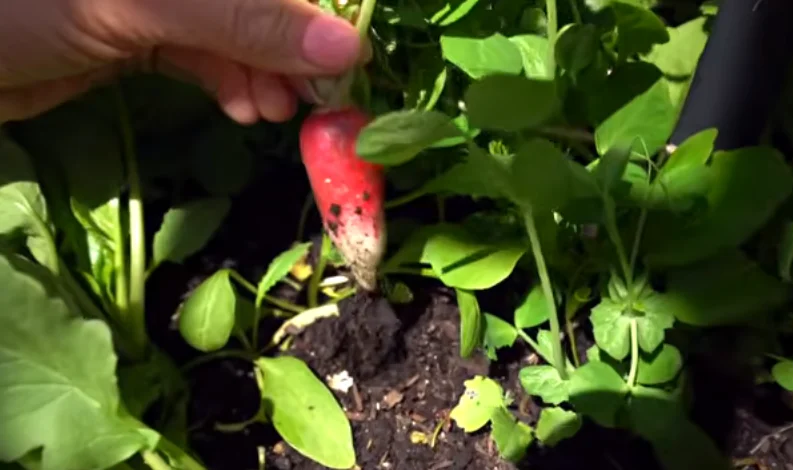
Radishes deserve a special mention. They tolerate cool soil, shrug off a light frost, and are often out of the ground before you’d normally think about warm-season crops, which makes them one of the few vegetables that fit the early spring window with room to spare.
Still deciding which crops to grow at all rather than when? Our easiest vegetables to grow for beginners guide is the better starting point. For spacing and planting depth, see how to plant vegetables. Good soil preparation matters more this early than at any other point in the year, since cold, compacted ground slows everything down.
Best Vegetables to Grow in Summer
Plant: tomatoes, peppers, cucumbers, squash, zucchini, beans, corn, eggplant.
Warm-season vegetables need more than warm afternoons. They want warm soil and mild nights too. Planting into cold soil stalls root development, which is why early transplants so often sit there doing nothing.
I see this with tomatoes almost every year. After transplanting they seem to do nothing for a couple of weeks. Then the nights turn consistently warm and they suddenly take off, looking like completely different plants.
Quick Tip: In very hot climates, summer isn’t the best season for every warm-season crop. In USDA Zones 9 and 10, many gardeners grow tomatoes and peppers in fall or winter instead, because extreme heat causes blossom drop and reduces fruit set.
Common Mistake: Zucchini produces more than most households can use. One or two plants is plenty. I planted four one year because the seedlings looked so small, and by midsummer I was handing zucchini to neighbors and still falling behind.
Best Vegetables to Grow in Fall
Plant: broccoli, kale, cabbage, beets, turnips, lettuce, carrots.
Fall is a second cool-season window, and cooler temperatures plus lighter pest pressure often make it easier than spring. The catch is timing.
Spring timing counts forward from your last frost. Fall timing counts backward from your first fall frost, and it’s far less forgiving. Plant two weeks late in April and you harvest two weeks late. Plant two weeks late in August and frost takes the crop the week before it was ready.
If you’re refilling a bed that just held a summer crop, follow your usual crop rotation rules and keep the same plant family out of that spot.
The first time I planted spinach for fall, it outperformed every spring crop I’d grown. Healthier plants, sweeter leaves, far fewer insect problems. I’ve treated fall as a second planting season ever since, not the tail end of the first.
Best Vegetables to Grow in Winter
Plant or maintain: kale, collards, garlic, hardy lettuce varieties, Brussels sprouts.
Winter is the season where your climate matters most. Mild southern gardens keep harvesting hardy vegetables outdoors with little or no protection. Cold northern gardens get a much shorter window and usually need covers.
| Mild Climate (Zone 8+) | Cold Climate (Zone 6 and below) | |
| Outdoor growing | Often possible all winter | Very limited or dormant |
| Season extension needed | Rarely | Usually, row covers or cold frames |
| Best bets | Kale, lettuce, collards, carrots | Garlic overwintering, stored root crops |
Two notes on that list. Garlic goes in during fall and comes out the following summer. Brussels sprouts are very cold hardy and sweeten after frost, but they need a long season, so they have to be in the ground by midsummer.
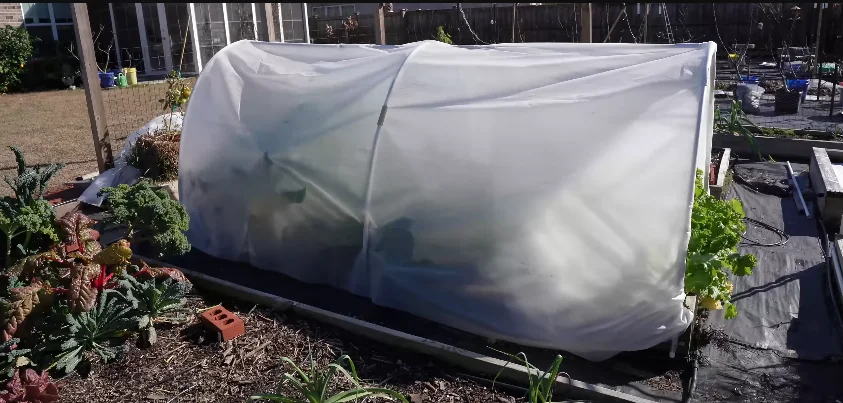
The first time I used a row cover I wasn’t expecting much. After a few frosty mornings I lifted it back and found my spinach healthy while unprotected plants nearby had already been damaged. It wasn’t magic. It was a few degrees, which was all the plants needed. Our frost protection and season extension guide covers how covers work and when they’re worth using.
Vegetables That Work Across Multiple Seasons
Some crops adapt well enough to changing temperatures that you can leave them in place instead of replanting a bed every few months.
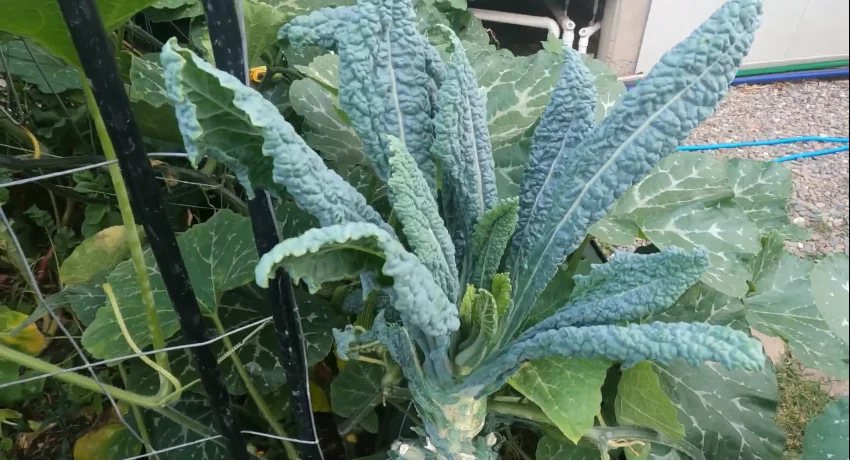
Kale is the most flexible vegetable on this list. It grows well in spring, handles summer better than most cool-season crops, thrives again in fall, and keeps producing through winter in many climates. If I had to recommend one vegetable to a beginner, this would be it.
Carrots grow in both spring and fall, and in mild climates they’ll hold in the ground into winter. Beets follow the same pattern.
Lettuce does well in spring and fall but needs help in summer heat. Give it afternoon shade when you can. High temperatures push the plant to bolt, meaning it shifts energy from leaves to flowers and seeds, and the leaves turn bitter fast.
Companion Planting by Season
Companion planting means growing certain plants near each other for mutual benefit. Some attract pollinators, some draw pests away from your vegetables, and some just use space better.
Three pairings worth trying: marigolds near spring lettuce and peas, basil alongside summer tomatoes, and nasturtiums around fall brassicas like broccoli and cabbage.
Common Seasonal Planting Mistakes
Planting warm-season vegetables too early. A few warm spring days make it feel like tomato time. If the soil is still cold, those plants stall and struggle to recover. Waiting an extra week beats rushing.
Skipping fall gardening. Many people pull their summer crops in August and call it a year. In most of the country there’s still time for a full round of cool-season vegetables, often under better conditions than spring offered.
Assuming winter gardening isn’t possible. In cold regions you’ll need protection to grow much outdoors. In milder climates, kale, collards, and hardy lettuce keep producing with no cover at all.
Ignoring your local climate. A schedule that works perfectly in one USDA Hardiness Zone can fail completely in another. Check your local frost dates and your Cooperative Extension office before planting. Their regional advice beats any generic calendar.
Bottom Line: Seasonal gardening is about reading your local climate, not following the same calendar as everyone else. Learn how the seasons behave where you live and the right crops become obvious.
Frequently Asked Questions
What is a cool-season vegetable?
One that tolerates light frost and cooler soil, performing best in the cooler stretches of spring and fall rather than summer heat.
What is a warm-season vegetable?
One that needs warm soil and no frost risk to thrive, typically grown during summer.
What vegetables can grow in every season?
Kale is the most flexible, doing well in spring, summer, fall, and often winter, depending on your climate.
Can you grow vegetables in winter?
Yes, especially in mild climates. In colder climates, row covers and cold frames extend what’s possible.
Do I need to start seeds indoors, or can I direct sow?
Depends on the vegetable. Lettuce and carrots do well direct sown. Tomatoes benefit from an indoor head start.
Which vegetables can I plant in both spring and fall?
Lettuce, carrots, beets, broccoli, and peas, since they’re cool-season crops by nature.
