I still remember my first garden. I picked a spot because it was close to the back door, not because it got any sun. I planted everything way too close together. Half of it never came up at all.
I learned most of what’s in this guide the hard way so you don’t have to.
This guide covers the whole process of planting a garden and starting a garden. Whether you want vegetables, flowers or a mix of both.
We will go step by step from picking a spot all the way through your first few weeks of care. Some topics get a deeper dive in their own linked guides throughout, so if you want more detail on any one step, that link is there for you.
Quick Answer: Steps to Start a Garden
If you want the short version before we get into the details, here it is.
- Choose a location with enough sun and good drainage
- Decide your garden size and type
- Plan a simple layout
- Gather a few basic tools
- Prepare your soil
- Set up a water source
- Decide what to plant
- Plant at the right depth and spacing
- Water and care for your garden after planting
That’s the whole process in a nutshell. Now let’s walk through each step properly.
Is Starting a Garden Right for You Right Now?
Before you buy anything, it helps to check if this is actually the right time. A lot of people jump in without thinking this through and end up frustrated by month two.
Time You’ll Actually Need to Commit
A small garden takes maybe 15 to 30 minutes a day once it’s established, mostly watering and quick checks.
During planting season you’ll need a few longer sessions, an hour or two here and there.
If your schedule genuinely has no room for that right now, a smaller garden or a few containers might suit you better than a big plot.
Rough First-Year Budget by Garden Type
An in-ground garden is the cheapest way to start since you’re working with soil that’s already there. Expect to spend mostly on seeds, a few tools, and some compost.
A raised bed costs more upfront because of the lumber and the soil you’ll need to fill it with. This is usually the biggest first-year expense of the three options.
If you’re planning on raised beds specifically, our how to build a raised garden bed guide covers exactly what materials you’ll need and how to put it all together step by step
Containers fall somewhere in the middle, though the cost adds up if you’re buying several large pots.
None of these have to be expensive. Plenty of gardeners start with secondhand tools and homemade compost and still grow plenty.
Why Start a Garden
There’s something genuinely satisfying about eating a tomato you grew yourself. It’s not just about the food either. Gardening gets you outside, gives you something to look after, and honestly it’s a nice break from screens.
It can also save you money on groceries over time, especially with produce prices where they are. And if you have kids, it’s a good way to get them outside and curious about where food comes from.
Step 1: Choose the Best Location for Your Garden
This is the single most important decision you’ll make, and it’s the one beginners get wrong most often.
How Much Sun Does a Garden Need
Most vegetables and flowering plants need at least 6 to 8 hours of direct sun a day. Watch your yard for a full day before you commit to a spot. A place that looks sunny in the morning might be shaded by a tree or fence by afternoon.
Not every plant needs the same amount though. Here’s a rough guide.
| Sunlight Per Day | What You Can Grow |
| 3 to 4 hours | Mint, parsley, a few shade tolerant flowers |
| 4 to 6 hours | Lettuce, spinach, kale, cilantro, chives |
| 6 to 8 hours | Tomatoes, peppers, beans, cucumbers, squash |
| 8 or more hours | Most fruiting vegetables and sun loving flowers |
If your spot only gets partial sun, don’t force a tomato into it. Pick something from the lower end of this table instead.
Check Drainage and Ground Surface
Pick a spot that’s fairly flat if you can. A sloped yard isn’t a dealbreaker, but you’ll need to terrace it or level out a section, which is extra work you don’t need for your first garden.
To check drainage, dig a small hole and pour some water in. If it’s still sitting there an hour later, that spot holds water and might cause root problems down the line.
Wind Protection
A spot that’s a little sheltered from strong wind helps young seedlings stay upright and reduces how fast the soil dries out.
Proximity and Convenience
Pick somewhere you’ll actually walk past every day. The sunniest spot in your yard does you no good if it’s tucked in a back corner you never visit. Out of sight really does mean out of mind here.
Kids, Pets, and Wildlife Considerations
Think about who else uses your yard. A spot near a dog’s regular running path or a kid’s play area is going to get trampled sooner or later. If deer or rabbits are common where you live, you might need a simple fence or netting from day one rather than adding it after they have already found your garden.
Step 2: Decide Your Garden Size and Type
How Big Should Your First Garden Be
A 4 by 8 foot space is genuinely plenty for a first garden. That’s roughly the size of a small raised bed and it’s enough to grow a real variety without becoming overwhelming. If you’re going in-ground, a 10 by 10 foot plot works well too. Don’t go much bigger than that your first year, even if you’re excited. You can always expand once you know what you’re doing.
Raised Beds vs. In-Ground vs. Containers
Raised beds are boxes filled with quality soil you control from the start. They drain well and are easier on your back.
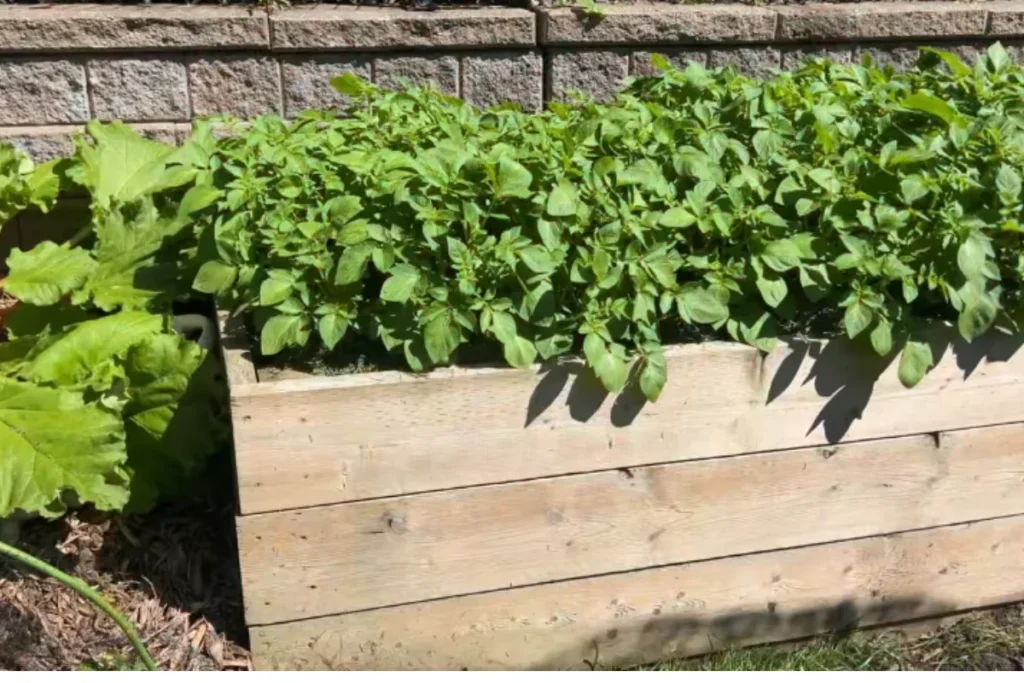
In-ground gardens use the soil already in your yard. They’re the cheapest option but depend entirely on your existing soil quality.
Containers work if you’ve got a patio or balcony instead of a yard. Plenty of vegetables grow fine in a large enough pot.
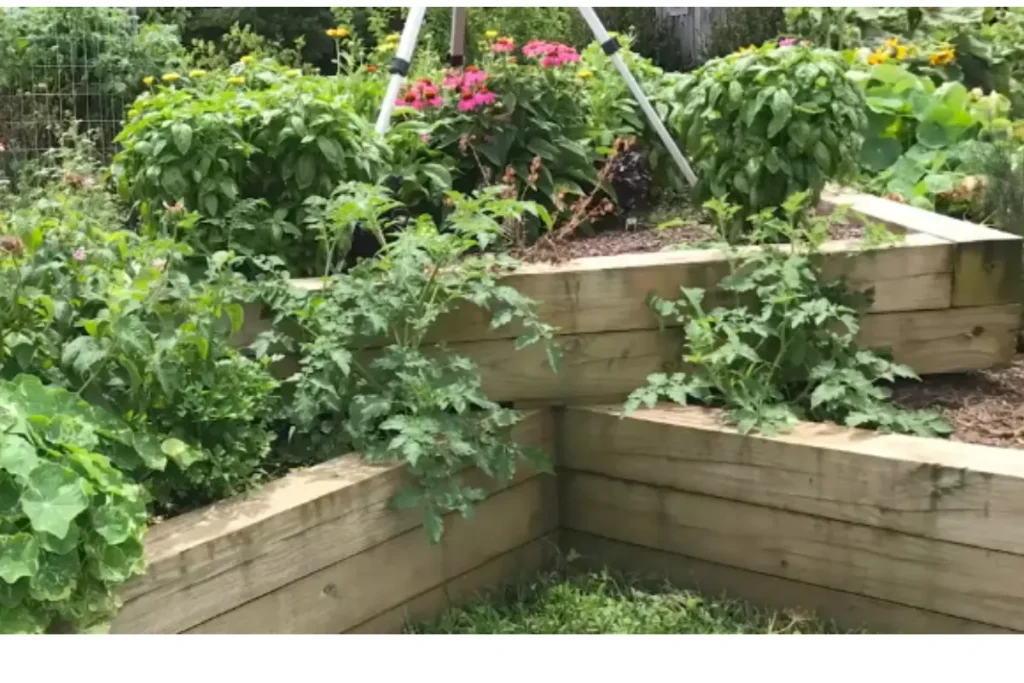
If you go with containers, make sure every single one has drainage holes in the bottom. Without them, water collects around the roots and rots the plant. If you’re using a pretty pot with no holes, just use it as a decorative outer shell and keep the plant in a smaller pot with holes inside it.
| Garden Type | Startup Cost | Effort to Set Up | Drainage |
| In-ground | Low | Low | Depends on your soil |
| Raised bed | Medium to high | Medium | Usually good |
| Container | Low to medium | Low | Very good |
Step 3: Plan Your Garden Layout
You don’t need a professional design here, just a rough sense of where things go.
Read our full step by step guide article on Vegetable Garden Design and Layout
Pathways and Access
Leave paths between beds or rows so you can actually walk through and reach every plant without stepping on the soil. About 2 to 3 feet wide is enough for most people to comfortably move through.
Rows vs. Blocks vs. Raised Bed Layouts
Traditional rows work well for larger in-ground plots. Blocks or square sections tend to use space more efficiently if you’re tight on room, since you’re not wasting space on wide walking rows between every single line of plants. Raised beds naturally create their own block-style layout since you’re working within a defined box.
Step 4: Gather Your Basic Tools and Materialsen Layout
You don’t need much to get started.
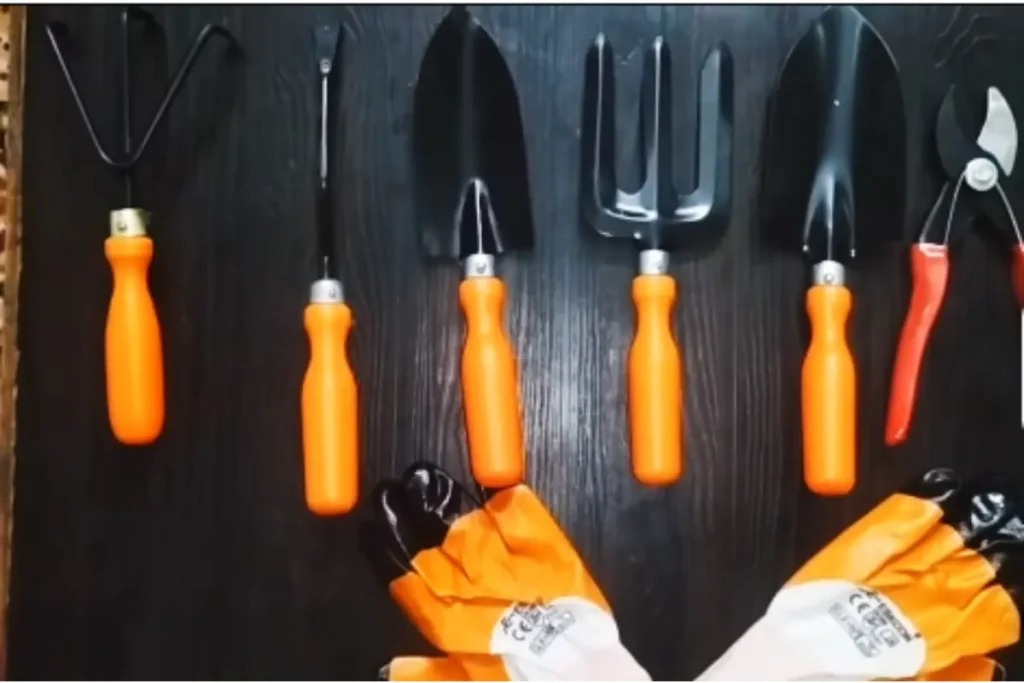
Essential Beginner Tools
A trowel, a shovel or spade, a hoe, a rake, gloves, and a watering can will cover almost everything for your first season.
Materials to Have on Hand
Keep some compost and mulch ready since you’ll use both early on. If you’re growing anything that climbs, like beans or cucumbers, grab a simple trellis or stake too. Plant tags are worth having so you remember what’s growing where once seedlings all start looking the same.
Step 5: Prepare Your Soil
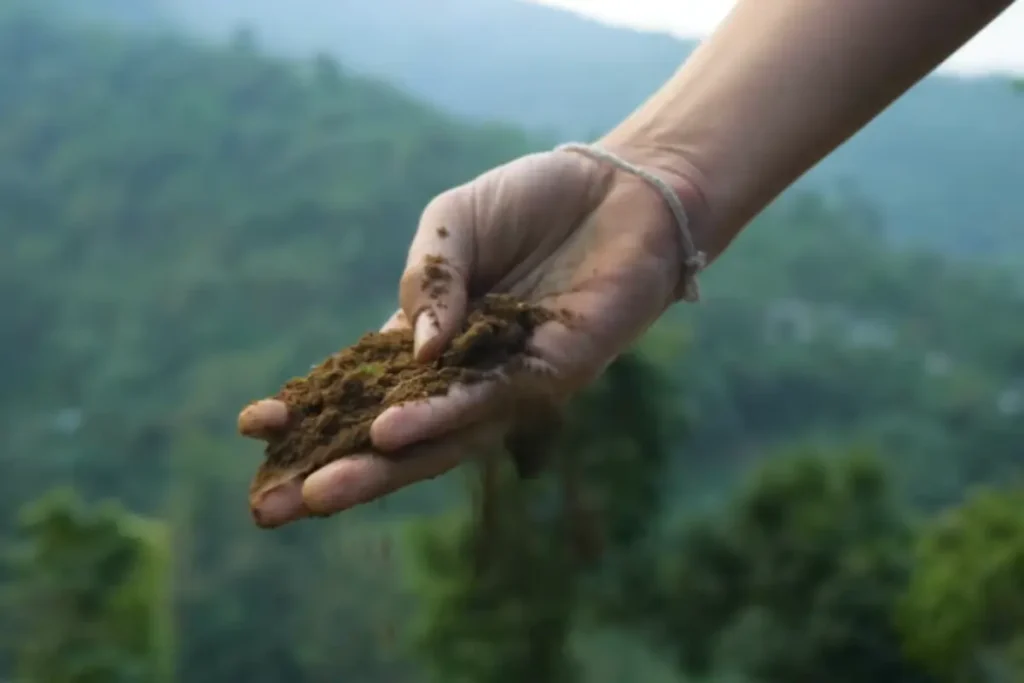
Good soil genuinely makes up for a lot of other beginner mistakes. Bad soil undermines even the best planning.
Test Your Soil
Grab a handful of moist soil and squeeze it. It should hold together loosely without turning to mud or crumbling to dust. A basic home soil test kit will also tell you your pH level, which affects how well plants can absorb nutrients.
Where to get your soil tested properly: if you want a more thorough check, especially for lead or heavy metals, your local cooperative extension office offers affordable soil testing. This is worth doing if you’re gardening in an older yard or near a building that may have had lead paint in the past.
Improve Your Soil With Compost and Organic Matter
Mix compost into your soil before planting. It adds nutrients and improves structure at the same time. Aged manure or leaf mold works well too if you have access to it. Clear out any weeds, rocks, or debris while you’re at it.
Preparing Soil for Raised Beds
Raised beds are usually filled with a mix of topsoil and compost instead of relying only on the soil underneath. This gives you better control over soil quality from the start.
For most vegetables, aim for at least 8 to 12 inches of loose soil depth. Root crops like carrots grow better with deeper, softer soil.
Should You Till the Soil First
Tilling can help loosen badly compacted soil, but it can also disturb soil life and bring buried weed seeds to the surface.
For most small beginner gardens, loosen the soil once with a garden fork, then add compost on top each season. This keeps the soil healthier over time without overworking it.
For a deeper step-by-step process, read our full guide on how to prepare soil for a vegetable garden
Step 6: Set Up Your Water Source
This step gets skipped constantly, and it shouldn’t be.
Choosing a Water Source
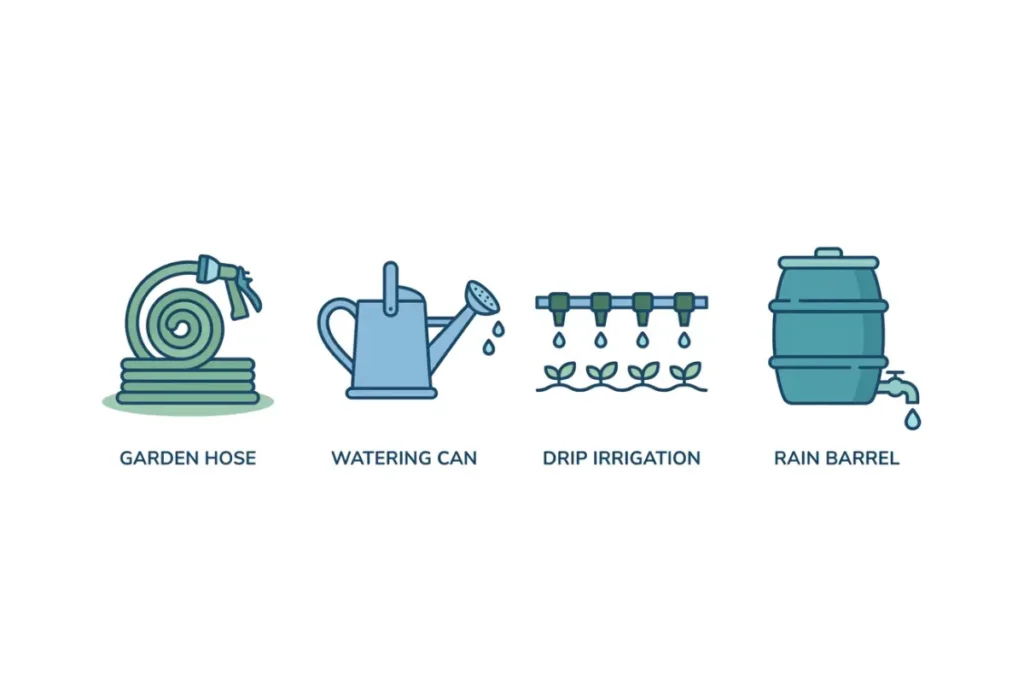
A garden hose works fine for most yards. A watering can suits small gardens or containers. Drip irrigation delivers water right to the roots efficiently if you’re willing to set it up. A soaker hose is a cheaper alternative to drip systems. A rain barrel gives you a free water source if you get decent rainfall.
Making Watering Convenient
Keep your garden within reach of a hose or your chosen water source. Make sure the hose is actually long enough to cover the whole space without you dragging it across the yard every time. A garden that’s a hassle to water tends to get neglected, so it’s worth solving this before you plant anything.
Step 7: Decide What to Plant
Vegetables, Flowers, or a Mixed Garden
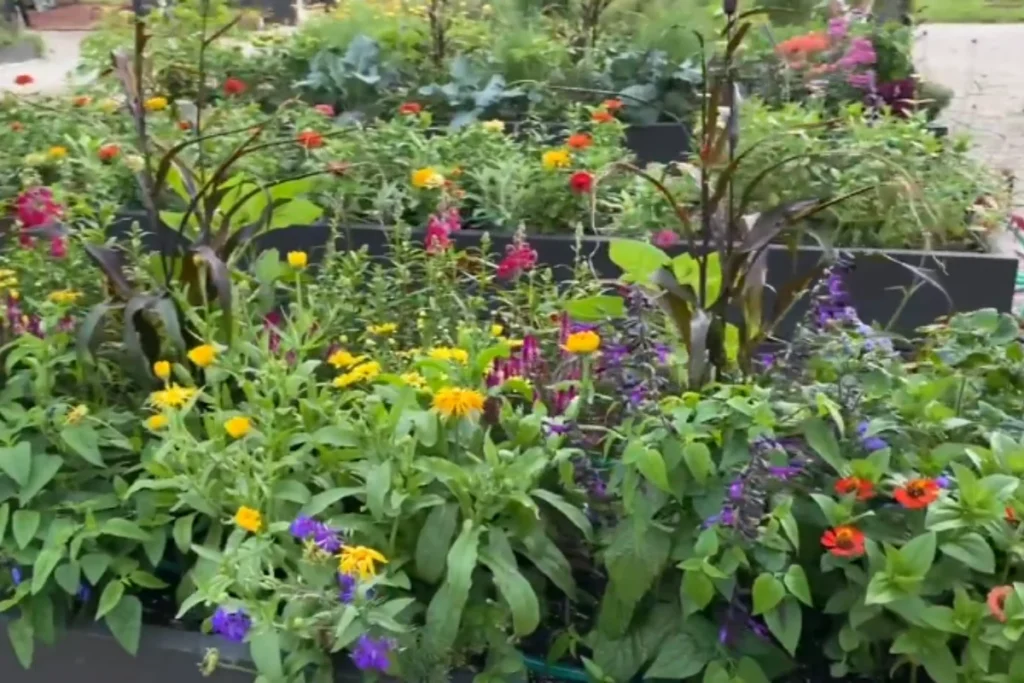
Most beginners lean toward vegetables since the payoff feels quick and satisfying. But flowers work just as well for a first garden, and mixing the two is genuinely a great option. Marigolds planted alongside vegetables help deter certain pests and attract pollinators, so a mixed garden isn’t just prettier, it can actually help your vegetables too.
Best Vegetables for Beginners
Lettuce, radishes, beans, zucchini, and cucumbers are about as forgiving as it gets. Tomatoes and peppers are classic choices too, though they usually do better started from a seedling rather than a seed if you’re new to this.
If you haven’t settled on what to grow yet, our best vegetables to grow for beginners guide is worth checking first
Seeds vs. Seedlings
| Factor | Seeds | Seedlings |
|---|---|---|
| Cost | Lower cost. One seed packet can grow many plants | Higher cost. You pay per plant or small pack |
| Time to harvest | Takes longer because plants start from zero | Faster because plants already have a head start |
| Best for beginners | Good for easy crops that sprout quickly | Good for slower or warm-season crops |
| Best crops | Beans, peas, carrots, radishes, lettuce, spinach, cucumbers, zucchini | Tomatoes, peppers, eggplants, broccoli, cabbage, herbs |
| Variety options | More variety available | Fewer varieties at garden centers |
| Risk level | Seeds may fail if soil is too cold, too wet, or planted too deep | Lower risk if plants are healthy and hardened off |
| Skill needed | Basic planting depth and watering knowledge | Basic transplanting and watering knowledge |
| Best use | Budget-friendly gardens and direct-sown crops | Faster garden setup and crops with long growing seasons |
Know Your Growing Zone and Frost Dates
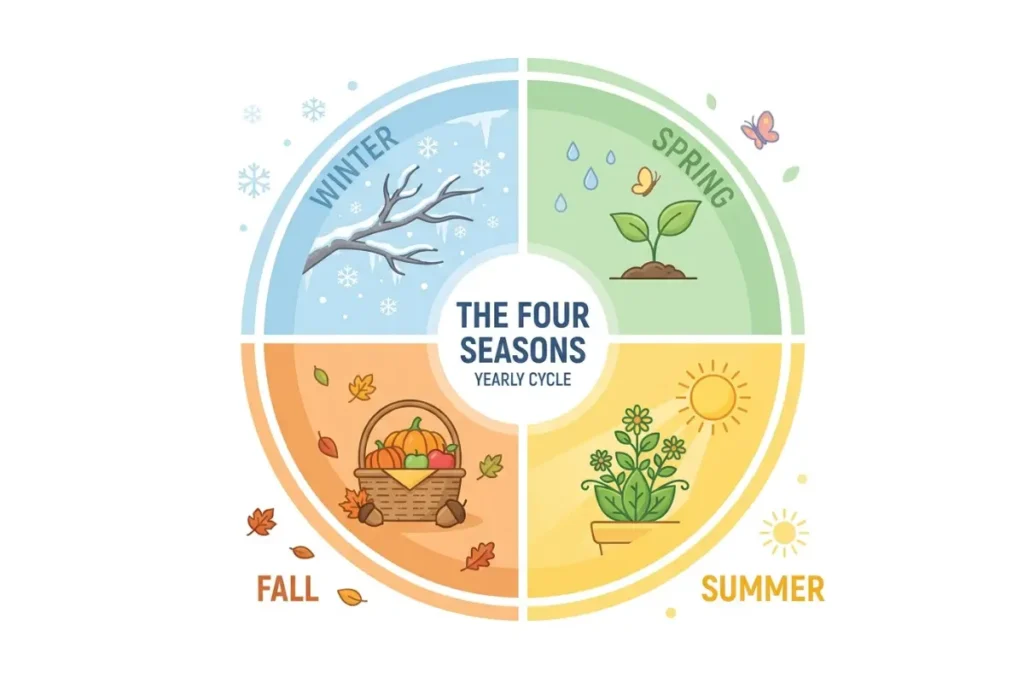
Your USDA hardiness zone tells you roughly what can grow where you live and when. Your last frost date matters even more day to day. Cool season crops like lettuce and peas can go in a few weeks before that date. Warm season crops like tomatoes need to wait until after it, once the soil has actually warmed up.
Not sure exactly when to get things in the ground? Our when to plant your garden guide walks through the frost date method so you can build your own timing plan.
Companion Planting Basics
Some plants genuinely help each other when grown nearby. Marigolds near tomatoes can help repel certain pests. Beans planted near corn can help fix nitrogen in the soil. You don’t need to master this right away, but it’s worth keeping in the back of your mind as you plan what goes where.
| Plant | Difficulty | Sun | Days to Harvest |
| Lettuce | Easy | Full to partial sun | 45 to 55 days |
| Radishes | Easy | Full sun | 25 to 30 days |
| Beans | Easy | Full sun | 50 to 60 days |
| Tomatoes | Medium | Full sun | 60 to 85 days |
| Cucumbers | Easy | Full sun | 50 to 65 days |
| Zucchini | Easy | Full sun | 45 to 55 days |
| Peppers | Medium | Full sun | 60 to 90 days |
| Marigolds | Easy | Full sun | 45 to 50 days |
Step 8: Plant Your Garden Correctly
This is the part a lot of guides rush through, but it’s the step that actually determines whether your plants survive their first couple weeks.
Planting Depth and Spacing Basics
A simple rule of thumb is to plant a seed about twice as deep as it is wide. Tiny seeds like lettuce need barely any soil on top. Bigger seeds like beans go about an inch deep.
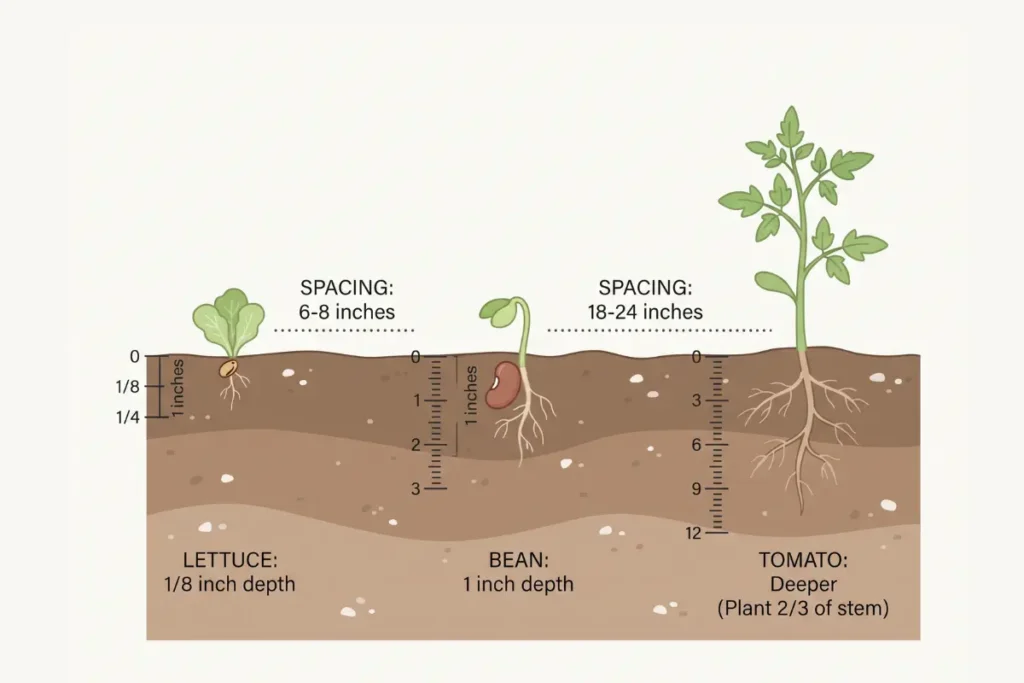
| Plant | Planting Depth | Spacing | Days to Sprout |
| Tomatoes (seedling) | Same as pot | 18 to 24 in | Not applicable |
| Lettuce | Quarter inch | 6 to 8 in | 7 to 10 days |
| Beans | 1 inch | 3 to 4 in | 8 to 10 days |
| Peppers (seedling) | Same as pot | 12 to 18 in | Not applicable |
| Cucumbers | 1 inch | 12 in | 7 to 10 days |
| Zucchini | 1 inch | 24 to 36 in | 7 to 10 days |
| Radishes | Half inch | 2 in | 4 to 7 days |
Direct Sowing vs. Transplanting
| Feature | Direct Sowing | Transplanting |
|---|---|---|
| How It Works | Seeds are planted directly into the garden | Young plants are moved into the garden |
| Best For | Root crops and fast-growing vegetables | Warm-season vegetables |
| Cost | Lower | Higher |
| Time to Harvest | Slightly longer | Usually shorter |
| Root Disturbance | None | Possible transplant shock |
| Difficulty | Easy | Moderate |
| Indoor Setup Needed | No | Often yes |
| Suitable Vegetables | Carrots, radishes, beans, peas, spinach | Tomatoes, peppers, broccoli, cabbage, eggplant |
| Success Rate | Depends on weather and soil | Usually higher if plants are healthy |
| Best Choice | Large gardens and root vegetables | Beginners and long-season crops |
Key Takeaway
Direct sow crops that dislike root disturbance, and transplant vegetables that need a longer growing season or benefit from an early start.
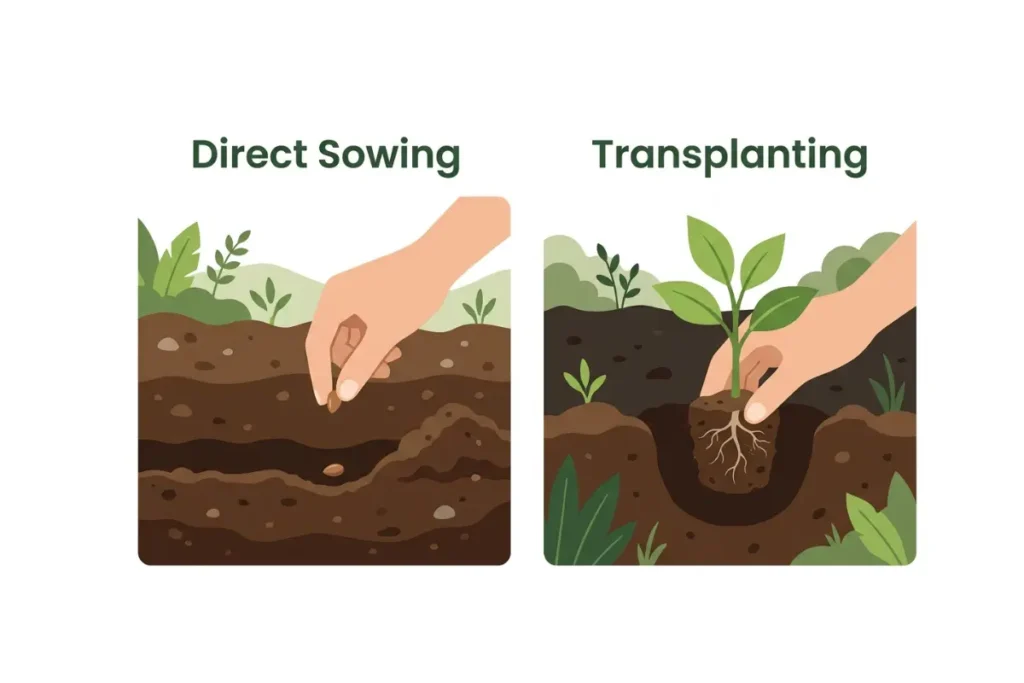
Hardening Off Seedlings Before Transplanting
What is hardening off? Hardening off means gradually getting a seedling used to outdoor conditions before planting it for good. Set it outside for a few hours a day over about five to seven days, slowly increasing the time. Skip this step and the shock of direct sun and wind can set the plant back significantly or kill it outright.
Step-by-Step Planting Instructions
- Mark your row or planting spot
- Dig a hole or furrow to the right depth
- Place your seed or seedling
- Cover lightly with soil and firm it gently
- Water it in right away
- Label what you planted so you remember later
Step 9: Water and Care for Your Garden After Planting
What you do in the first couple weeks matters just as much as the planting itself.
Watering Newly Planted Seeds and Seedlings
Check the soil daily for the first week or two and water whenever it feels dry just below the surface. Once plants are established, switch to deeper, less frequent watering rather than a light daily sprinkle. Water the soil, not the leaves, since wet foliage can encourage disease.
Mulching Benefits
A layer of mulch holds in moisture, blocks weeds before they take hold, and keeps soil temperature steadier during sudden heat or cold.
Early Maintenance
Pull weeds while they’re small. Check on your plants often for early signs of trouble. Put stakes or trellises in early, before a plant actually needs the support, rather than after it’s already flopped over.
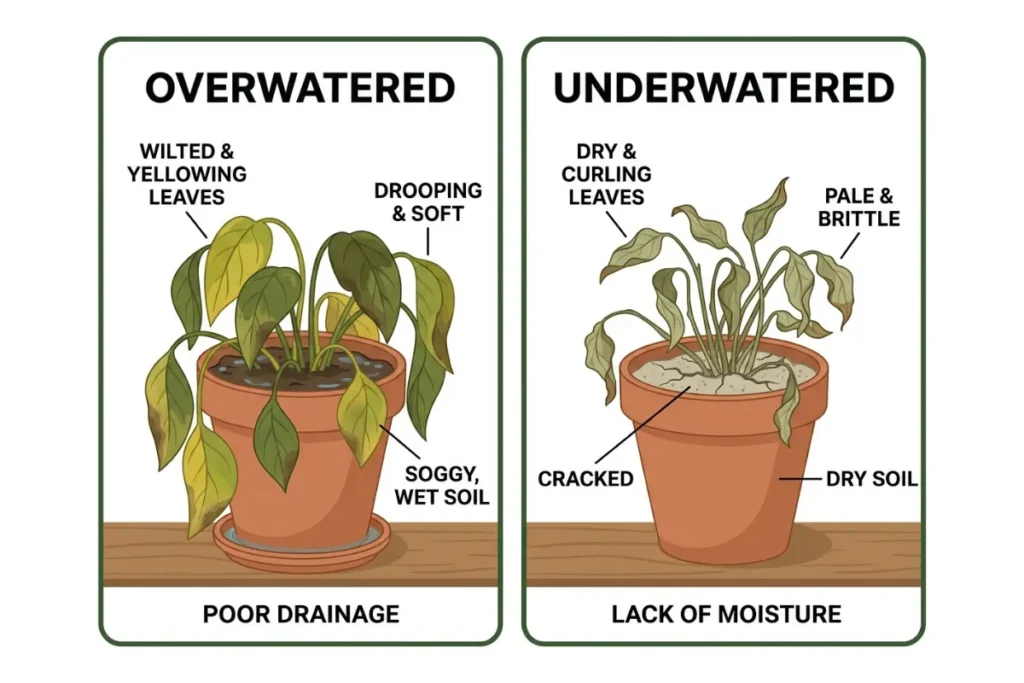
Read our detail article about how much and often to water your vegetable garden
What to Expect in Your First Few Weeks
In week one, most direct sown seeds haven’t sprouted yet, and that’s completely normal, not a sign of failure. By week two or three you should start seeing seedlings poke through, depending on the plant. If you transplanted seedlings, expect a few days of them looking a little droopy or stressed right after planting before they perk back up.
A warning sign worth watching for is a plant that looks worse every single day rather than improving, which usually points to either watering issues or transplant shock that isn’t resolving.
When and How to Harvest
Most vegetables taste better picked a little young rather than left too long. Pick lettuce leaves while they’re still tender. Pull beans before they get tough and stringy. Harvest zucchini small to medium since it grows fast and turns into a baseball bat if you forget about it for a week. Snip herbs often since regular harvesting actually encourages more growth rather than less.
The general rule is to check your plants every few days once they start producing, and pick anything that’s ready rather than letting it sit.
Common Problems and Troubleshooting
Why Aren’t My Seeds Sprouting
The most common causes are planting too deep, soil that’s too cold, or letting the soil dry out between waterings. Check your seed packet’s depth and germination time before assuming something’s wrong.
Common Beginner Pests and Prevention
Aphids, cutworms, and slugs are common early on. Check the undersides of leaves regularly since that’s where a lot of pests hide. Catching a problem early, while it’s small, is far easier than dealing with a full infestation later.
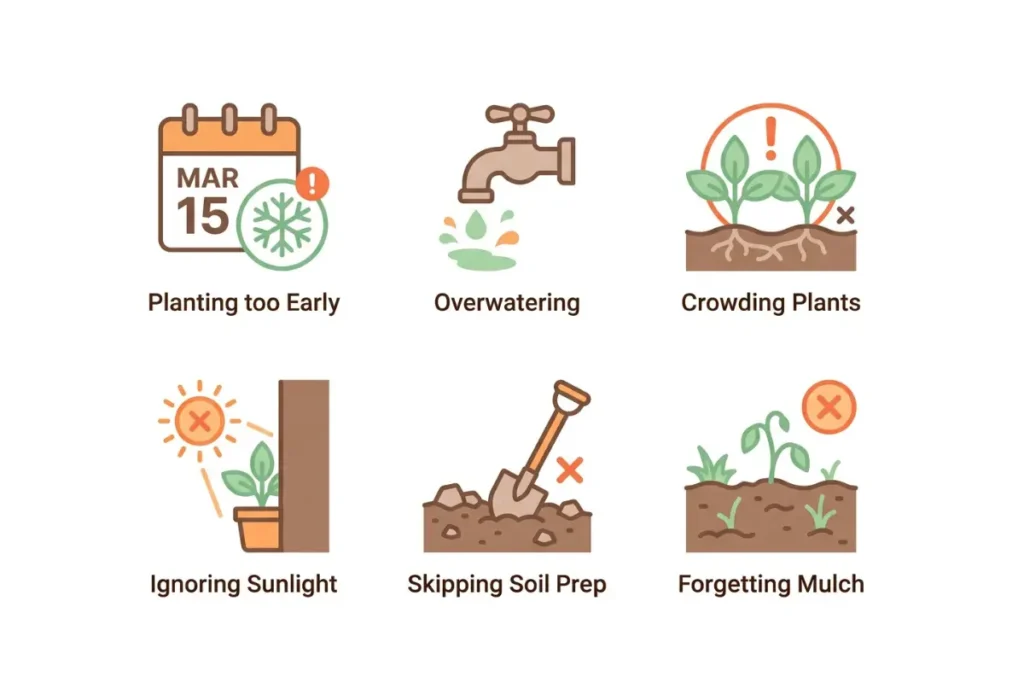
Common Beginner Gardening Mistakes
- Planting too much too soon. It’s easy to get excited and buy ten seed packets, only to end up overwhelmed with more zucchini than you can use by midsummer.
- Choosing a shady location. A private spot may look appealing, but most vegetables need plenty of direct sunlight to produce a good harvest.
- Skipping soil preparation. Healthy soil is the foundation of a productive garden, and ignoring it often leads to weak plant growth.
- Overwatering plants. Soggy soil can suffocate roots just as easily as dry soil can stress them, so water only when needed.
- Using containers without drainage holes. Excess water has nowhere to escape, increasing the risk of root rot and unhealthy plants.
- Not keeping a garden journal. Record what you planted, when you planted it, and how each crop performed. Even simple notes make planning and improving next season much easier.
Frequently Asked Questions
How much sun does a garden need?
Most vegetables and flowers need at least 6 to 8 hours of direct sun a day.
What is the easiest garden to start?
A small raised bed or a 4 by 8 foot in-ground plot with beginner-friendly plants like lettuce, beans, and radishes.
How big should a beginner garden be?
Around 4 by 8 feet for a raised bed, or 10 by 10 feet in-ground, is plenty for your first year.
Do I need raised beds to start a garden?
No. In-ground gardens and containers both work well, especially if your existing soil is decent.
Should I start with seeds or seedlings?
Seeds are cheaper and better for fast growers like beans and lettuce. Seedlings save time and suit slower plants like tomatoes and peppers.
How often should I water a new garden?
Daily or every other day right after planting. Once established, a couple of deep waterings a week usually works better than daily light watering
When is the best time to start a garden?
Spring is the most common starting point, timed around your last frost date, though fall planting works for many cool season crops too.
How much does it cost to start a garden?
An in-ground garden can start for well under a hundred dollars in seeds, tools, and compost. Raised beds cost more upfront because of the lumber and soil needed to fill them.
Can I start a garden in fall?
Yes. Many cool season crops like lettuce, spinach, and peas actually do well with a fall planting, especially in milder climates.
What’s the cheapest way to start a garden?
An in-ground garden started from seed, using homemade compost and secondhand tools, is the least expensive way to begin.
Do I need to till my soil before planting?
Not always. A one time loosening with a garden fork is usually enough for a small garden. After that, adding compost on top each season works better than tilling repeatedly.
How do I know when to harvest my vegetables?
Most vegetables taste best picked a little early rather than left too long. Check plants every few days once they start producing and pick anything that looks ready.
What Comes Next
Once your garden is planted and settling in, the next stretch is really about steady care through the season, then eventually harvest. Our ongoing care and harvest guides pick up right where this one leaves off.
References
The information in this article is supported by trusted gardening resources, including the USDA National Agricultural Library, USDA People’s Garden, Penn State Extension, and the Royal Horticultural Society. These references provide practical guidance on choosing a garden location, preparing soil, selecting plants, growing vegetables, supporting pollinators, and creating container gardens. Readers should also consider their local climate, available sunlight, soil condition, and growing space before planting.