
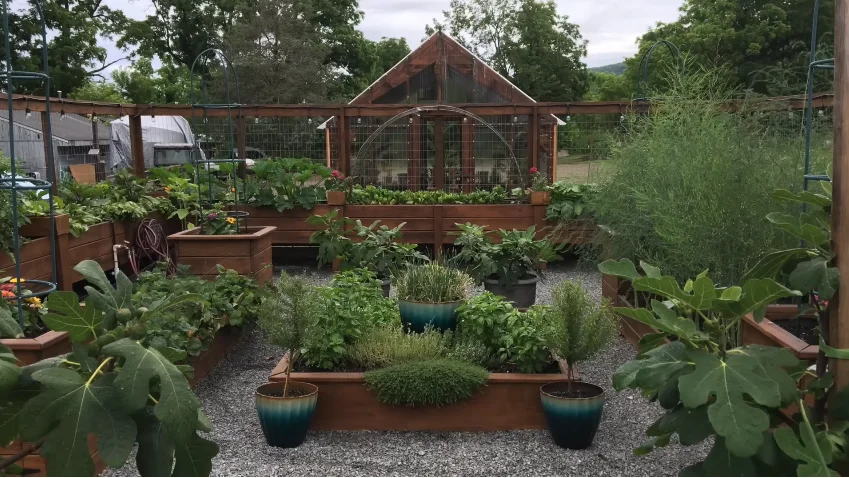
A good garden layout helps you grow more food with less stress. It shows where each vegetable will go, how much space your plants need, where the paths should be, and how you will water, weed and harvest without stepping all over your soil.
When I planned my first vegetable garden, I focused more on what looked nice than how I would actually move around it. By midsummer, I was squeezing between plants, stepping on the edges of beds and wishing I had left wider paths.
That experience taught me that a good layout is about making gardening easier, not just making it look organized.
Many beginners think garden planning means making a pretty drawing. That is part of it, but the real goal is much more practical. A strong vegetable garden layout helps you avoid shade problems, crowded plants, wasted space, poor access, and messy beds that become hard to manage by midsummer.
This guide covers simple garden layout ideas for beginners, including rows, blocks, square-foot gardening, raised beds, containers, a 4×8 raised bed example, a 10×10 garden example, and a 20×20 vegetable garden layout.
Quick Overview: How to Plan a Garden Layout
To plan a garden layout, choose a sunny location, decide your garden size, pick a layout style, place tall crops where they will not shade smaller plants, add pathways, check plant spacing and group crops so crop rotation is easier next year.
Follow these steps.
- Choose a spot with 6 to 8 hours of sun.
- Keep the garden away from large trees and heavy shade.
- Pick a beginner-friendly size such as 4×8, 10×10, or containers.
- Choose rows, blocks, square-foot planting, raised beds, or containers.
- Place tall crops on the north side when possible.
- Keep short crops toward the south side or front edge.
- Add paths wide enough for walking, watering, and harvesting.
- Check spacing on seed packets and plant tags.
- Group plant families for easier crop rotation.
- Draw a simple garden map before planting.
The best layout is not always the biggest one. It is the one you can actually maintain.
Choose the Right Location Before You Plan Your Layout
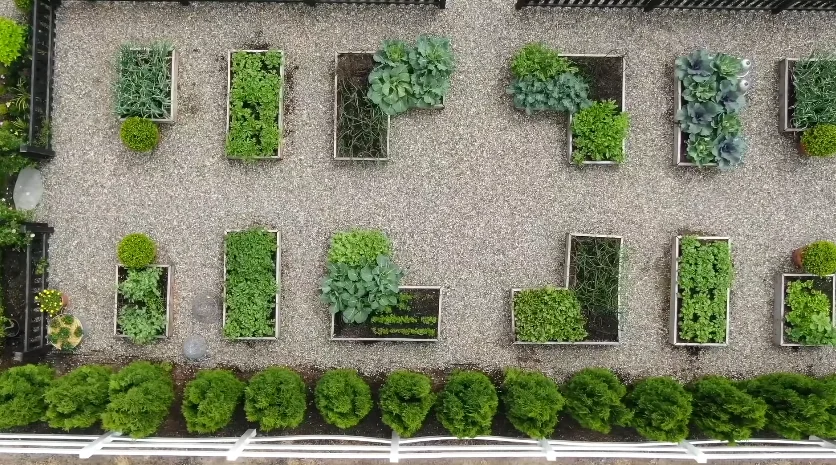
Location comes before layout. A smart design will not fix a garden that is too shady, too wet, or too far from water.
Choose a place that gets strong sun, drains well, and is easy to reach. If you can see the garden from your house, that is even better. You will notice weeds, dry soil, pests and ripe vegetables sooner.
For local timing and climate advice, check your Cooperative Extension office, your USDA Hardiness Zone, and local frost date information before planting.
Sunlight and Orientation
Most vegetables need full sun. That means at least 6 hours of direct sunlight each day. Tomatoes, peppers, cucumbers, beans, corn, squash, and melons usually grow best with 8 hours or more.
Leafy greens can handle less sun. Lettuce, spinach, kale and arugula can often grow with 4 to 6 hours, especially in warm areas.
Orientation also matters. In most U.S. gardens, tall crops should go on the north side so they do not shade smaller crops.
| Crop Height | Best Placement |
| Tall crops | North side or back of the garden |
| Medium crops | Middle beds or middle rows |
| Short crops | South side or front edge |
This simple rule helps your plants share sunlight better.
Distance from Trees and Structures
Keep your vegetable garden away from large trees, hedges, sheds, fences, and walls when possible.
Trees compete with vegetables for water and nutrients. Their roots can stretch far beyond the trunk. Trees and buildings also create shade, and shade can change as the season moves on.
Structures may also block airflow. Poor airflow can make plant disease more likely, especially when vegetables are crowded.
If your only sunny area is near a fence, place tall crops carefully and leave space for air movement.
Decide Your Garden Size
Your garden size should match your time, space, and experience. A big garden can produce more food, but it also brings more watering, weeding, staking, harvesting, and pest checking.
For most beginners, small is better. Start with a layout you can manage and expand later.
Best Garden Sizes for Beginners
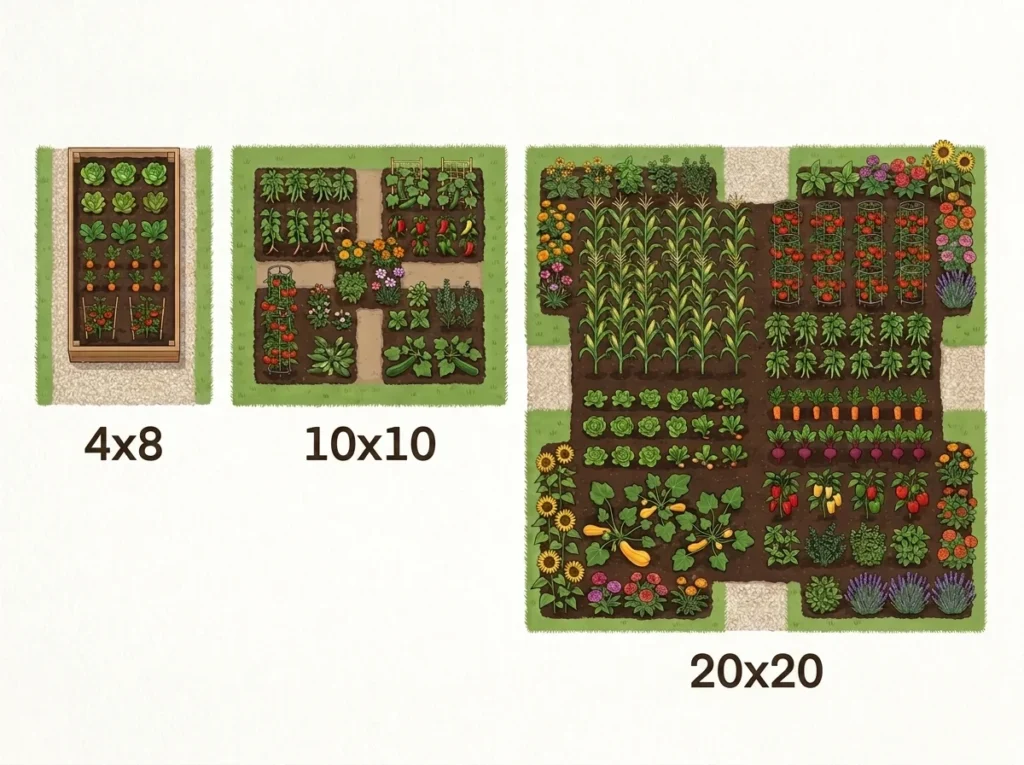
A 4×8 raised bed is one of the best beginner choices. It gives you enough room for tomatoes, peppers, herbs, greens, radishes, beans, and flowers.
A 10×10 garden gives you 100 square feet. This is a useful size for a first in-ground vegetable garden.
A few containers work well if you have a patio, balcony, porch, or rental home.
| Garden Size | Best For | Difficulty |
| 3 to 6 containers | Patios and small spaces | Easy |
| 4×8 raised bed | First backyard garden | Easy |
| 10×10 garden | Beginner in-ground garden | Medium |
| 20×20 garden | Larger vegetable garden | Medium to hard |
A 10×10 vegetable garden layout is easier than a 20×20 layout. A 20×20 garden can work, but it needs more time and water.
Beginner 20×20 Vegetable Garden Layout Example
A 20×20 vegetable garden layout gives you 400 square feet. That is a lot of space for a beginner, so divide it into smaller zones instead of treating it as one big planting area.
A simple plan is four main beds with paths between them.
| Zone | Suggested Crops |
| Zone 1 | Tomatoes, peppers, basil, marigolds |
| Zone 2 | Beans, peas, cucumbers, trellis crops |
| Zone 3 | Lettuce, spinach, carrots, radishes |
| Zone 4 | Squash, zucchini, herbs, flowers |
Use a 2 to 3 foot main path through the center. Add smaller paths between zones so you can reach plants without stepping into beds.
Place tomatoes, corn, pole beans, and trellised cucumbers on the north side. Keep lettuce, radishes, carrots, and herbs where they will not be shaded all day.
Do not fill every inch. Empty space gives you room to walk, water, harvest, and fix problems.
Compare Garden Layout Styles
There is no one perfect vegetable garden layout.
- Rows
- Blocks
- Square-foot gardening
- Four-square layouts
- Raised beds
- And containers can all work.
The right choice depends on your space, soil, time, and crops.
Comparison Table: Rows vs. Blocks vs. Square-Foot vs. Raised Bed
| Layout Style | Best For | Space Efficiency | Beginner Difficulty | Best Crops |
| Rows | Larger gardens | Medium | Easy | Corn, beans, potatoes, onions |
| Blocks | Small to medium gardens | High | Easy to medium | Greens, carrots, herbs, radishes |
| Square-foot | Raised beds | High | Easy | Lettuce, carrots, beans, herbs |
| Four-square | Crop rotation | Medium | Medium | Mixed vegetables |
| Raised bed | Poor soil and tidy gardens | High | Easy | Tomatoes, peppers, greens, herbs |
If you want the easiest start, choose a 4×8 raised bed or a small block layout.
Traditional Row Layout
A traditional row layout uses long planting rows with paths between them. It is simple, familiar, and easy to organize.
Rows work well for larger in-ground gardens.
They are good for:
- Corn
- Beans
- Peas
- Potatoes
- Onions
- Carrots.
The downside is that rows can use more space because of the paths. They can also leave more bare soil, which means more weeds.
Rows are a good choice if you have plenty of space and want a simple planting plan.
Block Planting
Block planting uses wider planting areas instead of long single rows. It helps you grow more food in less space.
For example, instead of planting one long row of lettuce, you plant a small block of lettuce with proper spacing between plants.
Block planting works well for:
- lettuce
- spinach
- carrots
- radishes
- onions
- herbs
- compact crops.
The warning is simple. Do not overcrowd the block. More plants is not always better.
Square-Foot Gardening Method
Square-foot gardening divides a garden bed into 1-foot squares. Each square holds a certain number of plants based on spacing.
| Crop | Plants Per Square Foot |
| Pepper | 1 |
| Lettuce | 4 |
| Bush beans | 9 |
| Carrots | 16 |
| Radishes | 16 |
| Basil | 1 to 4 |
This method is great for beginners because it gives you a clear template.
Large crops need extra room. Zucchini, melons, pumpkins, and indeterminate tomatoes can outgrow tight square-foot spacing quickly.
Four-Square Layout
A four-square layout divides your garden into four sections. Each section holds a different crop group.
This makes crop rotation easier.
Example.
| Square | Plant Group |
| Square 1 | Tomatoes, peppers, eggplants |
| Square 2 | Beans and peas |
| Square 3 | Lettuce, kale, spinach |
| Square 4 | Carrots, onions, radishes |
Next year, move each group to a different square. This reduces the chance of pests and diseases building up in one spot.
Plan Your Raised Bed Layout
A raised bed garden layout is one of the easiest choices for beginners. Raised beds help you control soil quality, drainage, spacing, and access.
They also keep the garden looking organized, which makes maintenance easier.
Ideal Raised Bed Width and Length
A raised bed should usually be 3 to 4 feet wide. This lets you reach the middle without stepping into the bed.
If the bed sits against a wall or fence, keep it about 2 to 3 feet wide because you can only reach it from one side.
Common beginner bed sizes include 4×4, 3×6, 4×8, and 3×8.
Leave at least 2 feet between beds. If you use a wheelbarrow, leave 3 feet or more.
4×8 Raised Bed Layout Example
A 4×8 raised bed layout gives you 32 square feet of growing space.
Try this simple beginner plan.
| Section | Plants |
| Back row | 2 tomatoes with cages |
| Middle left | 2 pepper plants |
| Middle right | Basil and parsley |
| Front left | Lettuce or spinach |
| Front right | Radishes and carrots |
| Edges | Marigolds or nasturtiums |
Place tomatoes toward the north side. Put greens and herbs where you can harvest them easily.
If you grow cucumbers, add a trellis along one edge to save space.
Plant Spacing and Placement
Plant spacing is the heart of every garden layout. Plants need space for roots, leaves, airflow, sunlight, and harvest access.
Crowding looks harmless at planting time, but it causes problems later.
How to Calculate Square-Foot Spacing
To calculate square-foot spacing, check the spacing on your seed packet or plant tag.
A simple method is to divide 12 by the spacing in inches.
If carrots need 3 inches of spacing, 12 divided by 3 equals 4. That means 4 plants across and 4 plants down, or 16 carrots per square foot.
| Spacing | Plants Per Square Foot |
| 12 inches | 1 |
| 6 inches | 4 |
| 4 inches | 9 |
| 3 inches | 16 |
Always check the variety. A compact tomato and a large tomato do not need the same space.
Tall Crops vs. Short Crops Placement
Place tall crops where they will not shade small crops.
Tomatoes, corn, pole beans, peas, and trellised cucumbers should usually go on the north side. Medium crops can go in the middle. Short crops can go toward the south side or front.
Spreading crops need planning too. Zucchini and squash can take over a bed, so place them near the edge where they can grow outward.
Companion Planting and Layout
Companion planting can support your layout, but it is not magic pest control.
Use it in simple ways. Plant flowers near fruiting crops to attract pollinators.
- Keep
- Basil
- Parsley
- Marigolds
- Nasturtiums
near tomatoes and peppers.
Place flowers along bed edges so they do not crowd vegetables.
Good beginner pairings include tomatoes with basil and marigolds, cucumbers with dill or nasturtiums, and lettuce with carrots or radishes.
Keep mint in containers. It spreads fast and can take over a bed.
Pathways and Garden Access
Pathways are not wasted space. They make watering, weeding, harvesting, and checking plants easier.
A garden that is hard to reach becomes a garden you avoid.
How Wide Should Garden Pathways Be
For small gardens, paths should usually be 18 to 24 inches wide. This gives you space to walk and kneel.
For wheelbarrows, use 30 to 36 inches for main paths.
In raised bed gardens, leave enough space between beds for your body, tools, and plant growth. Plants often spill over bed edges in summer.
Saving Space With Efficient Pathways
Use fewer dead-end paths. Make beds narrow enough to reach from both sides.
Mulch paths with straw, wood chips, cardboard, gravel, or shredded leaves. This keeps weeds down and makes the garden cleaner after rain.
A good path lets you reach every plant without stepping into growing soil.
Crop Rotation and Layout Planning
Crop rotation means moving plant families to a new spot each year. This helps reduce pest and disease buildup.
It also makes your garden plan easier to manage over time.
Rotating Plant Families by Bed
Group crops by family when you draw your layout.
| Plant Family | Examples |
| Nightshades | Tomatoes, peppers, eggplants, potatoes |
| Legumes | Beans, peas |
| Brassicas | Broccoli, cabbage, kale, cauliflower |
| Cucurbits | Cucumbers, squash, pumpkins, melons |
| Roots and alliums | Carrots, radishes, onions, garlic |
Simple rotation example.
| Year | Bed 1 | Bed 2 | Bed 3 | Bed 4 |
| Year 1 | Tomatoes | Beans | Greens | Roots |
| Year 2 | Beans | Greens | Roots | Tomatoes |
You do not need a perfect system. Just avoid planting tomatoes in the same bed every year.
Container Garden Layout
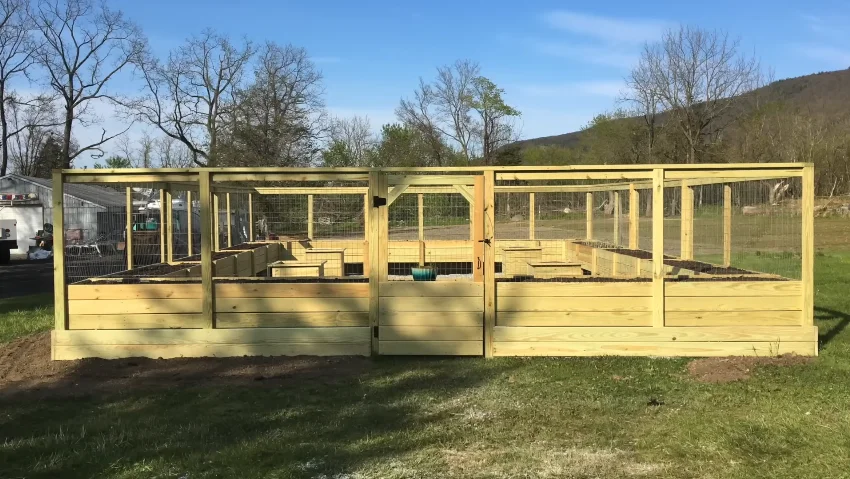
A container garden layout works well for patios, balconies, porches, driveways, and small yards.
Containers are flexible, but they need good placement, drainage, and watering.
Minimum Container Size and Placement
Use containers that match the plant.
| Plant | Minimum Container Size |
| Herbs | 6 to 10 inches deep |
| Lettuce | 6 to 8 inches deep |
| Peppers | 3 to 5 gallons |
| Cherry tomatoes | 5 gallons or larger |
| Cucumbers | 5 gallons with trellis |
| Carrots | 12 inches deep or more |
Place tall containers in the back and shorter containers in front. Put herbs near the kitchen if possible. Group thirsty plants together so watering is easier.
Move heavy containers into position before filling them with soil. And make sure every pot has drainage holes.
Common Garden Layout Mistakes
The most common garden layout mistakes are easy to prevent.
- Starting too big: A 20×20 garden may look exciting, but it requires significant time, watering, and maintenance.
- Poor placement of tall crops: Plant tomatoes, corn, pole beans, and trellised cucumbers where they won’t shade shorter plants.
- Crowding plants: Seedlings may seem small at first, but they quickly grow and need adequate spacing.
- Narrow pathways: Leave enough room for comfortable walking and maintenance once plants mature.
- Ignoring water access: Make sure your hose or irrigation system can easily reach every part of the garden.
- Skipping crop rotation: Keep a simple garden map to rotate crops each season and help reduce pests and soil-borne diseases.
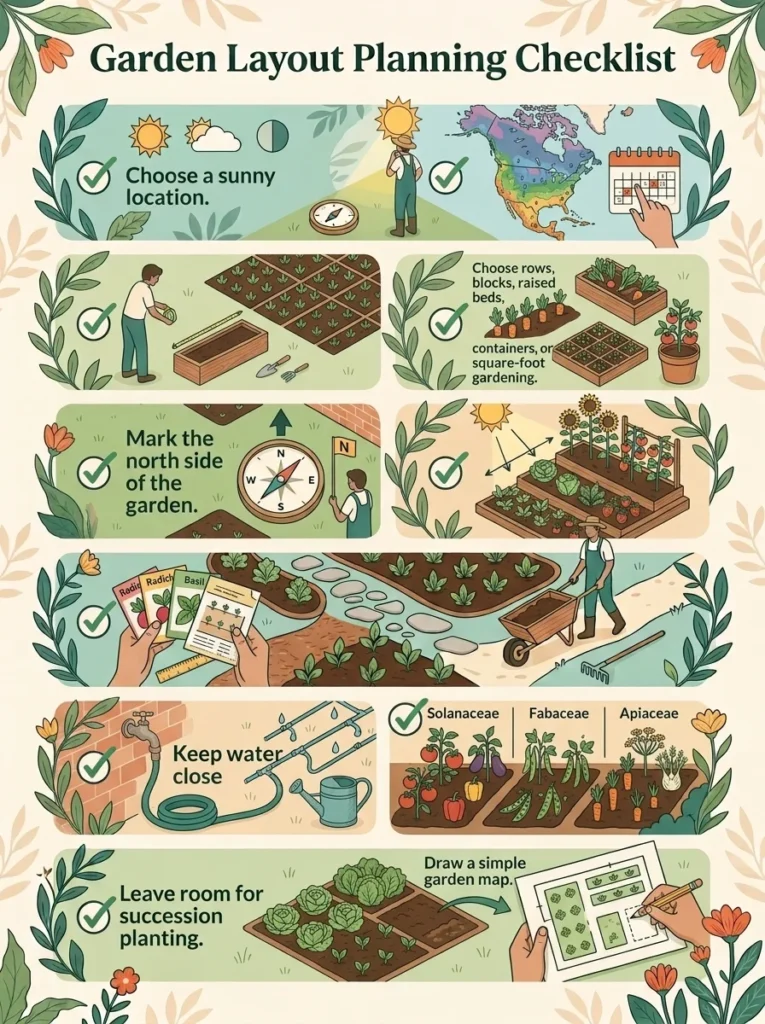
Garden Layout Planning Checklist
Use this checklist before planting.
- Choose a sunny location.
- Check your USDA Hardiness Zone and frost dates.
- Pick a realistic garden size.
- Choose rows, blocks, raised beds, containers, or square-foot gardening.
- Mark the north side of the garden.
- Place tall crops where they will not shade short crops.
- Check plant spacing on seed packets.
- Add pathways wide enough for access.
- Keep water close.
- Group crops by plant family.
- Leave room for succession planting.
- Draw a simple garden map.
What to Draw on Your Garden Map
Your garden map does not need to be fancy. A notebook sketch is fine.
Add these details.
- Garden size
- Bed dimensions
- Pathways
- North direction
- Water source
- Crop names
- Plant spacing
- Trellis locations
- Flower or herb edges
- Crop family groups
- Notes for next year
Take a photo of the map or keep it in a folder. It will help with crop rotation and better planning.
Frequently Asked Questions
How wide should a raised bed be?
A raised bed should usually be 3 to 4 feet wide. If it sits against a wall or fence, keep it closer to 2 to 3 feet wide so you can reach everything from one side.
How much space should be between vegetable rows?
Leave 18 to 36 inches between vegetable rows. Small crops need less space. Large crops like tomatoes, corn, potatoes, and squash need more. If you use a wheelbarrow, make at least one wider path.
What is the best layout for a vegetable garden?
The best layout for beginners is usually a 4×8 raised bed, a 10×10 in-ground garden, or a block planting layout. These options are easy to manage and give you enough room to grow several crops.
How do you lay out a 20×20 garden?
Divide a 20×20 garden into four planting zones with paths between them. Place tall crops on the north side. Group crops by plant family. Leave 2 to 3 foot paths for access and keep space for crop rotation next year.
What is square foot gardening?
Square-foot gardening divides a bed into 1-foot squares. Each square holds a set number of plants based on spacing. It works well in raised beds and is easy for beginners to follow.
Should I plant in rows or blocks?
Use rows if you have a larger garden and want simple walking paths. Use blocks if you want to save space in a smaller garden. Blocks usually produce more in less space, but they need careful spacing.
How do I lay out a raised bed for beginners?
Start with a 4×8 raised bed. Put tomatoes or trellised crops on the north side. Place peppers and herbs in the middle. Put lettuce, carrots, radishes, and low plants near the front. Add flowers along the edges
What direction should vegetable garden rows run?
Rows often work best north to south because plants receive more even sunlight through the day. If that is not possible, focus on keeping tall crops from shading shorter crops.
Where should tomatoes go in a garden layout?
Tomatoes should usually go on the north side or back of the garden. They need full sun, strong support, and good airflow. Keep them away from spots where they will shade lettuce, carrots, herbs, or small flowers
Can I mix flowers and vegetables in the same garden bed?
Yes. Flowers like marigolds, zinnias, calendula, and nasturtiums can grow near vegetables. They add color, attract pollinators, and make the garden more enjoyable.