The first vegetable I ever grew on purpose was a radish, mostly because someone told me it was impossible to mess up.
They were right, it was ready in about a month and I felt like a genius.
That small win is honestly what kept me gardening.
Either way, you’re looking for plants that forgive mistakes and actually reward you with something to eat.
This article covers what to grow. If you want the actual planting depth and spacing details once you’ve picked your crops, our how to plant vegetables guide covers that part.
Quick Answer: The Easiest Vegetables to Grow
- Lettuce
- Radishes
- Bush beans
- Zucchini and summer squash
- Cucumbers
- Cherry or determinate tomatoes
- Peppers
- Carrots
- Peas
- Kale
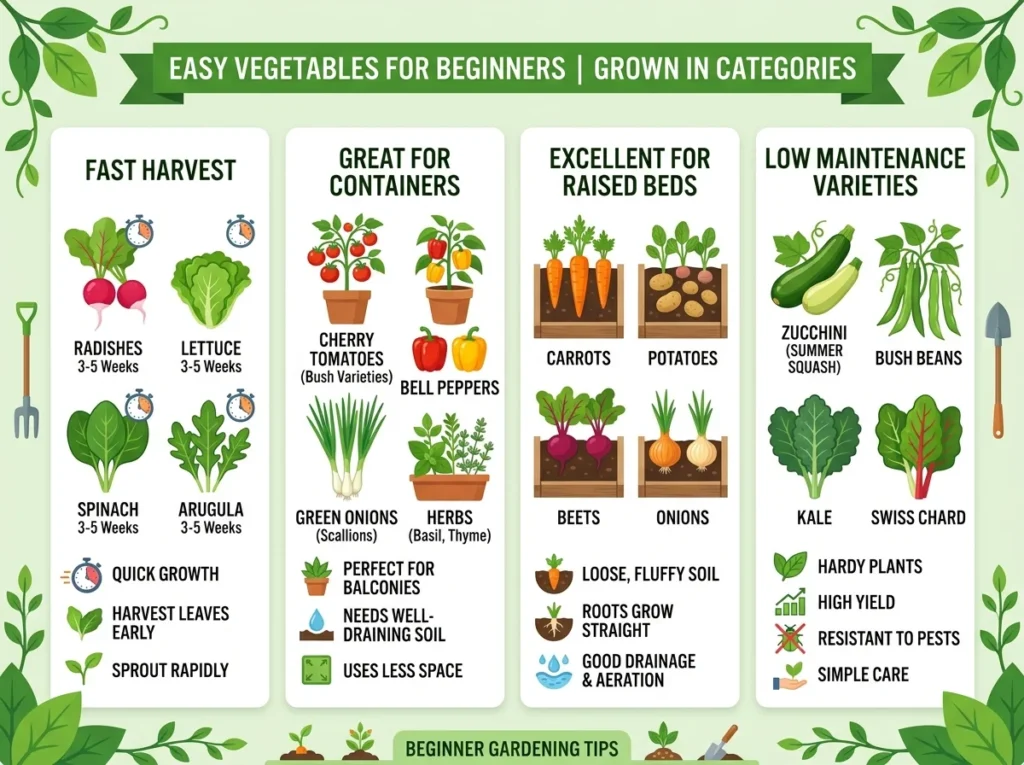
What Makes a Vegetable “Easy” to Grow
Easy doesn’t mean boring or bland, it means forgiving.
An easy vegetable tolerates a missed watering, a slightly wrong planting date, or soil that isn’t perfect, and still gives you something worth harvesting.
Remember: One term worth knowing early is bolting, when a plant suddenly shoots up a flower stalk and turns bitter instead of continuing to produce leaves.
Lettuce and other greens are especially prone to this in hot weather, so when you’re shopping for seeds, look for varieties labeled bolt resistant, they’ll hold up much longer before giving up on you.
You’ll also see days to maturity listed on most seed packets, often shortened to DTM, which tells you roughly how long from planting to first harvest.
How to Choose Vegetables That Fit Your Situation
Start with what you actually eat. There’s no point growing something dependable if it just sits in your fridge until it goes soft.
Think about your space too, some vegetables sprawl and take over a bed, others stay compact and mind their own business.
And be honest about your climate, a short growing season rules out some slower crops before you even start.
It also helps to rule a few things out early.
If you know deer or rabbits are regular visitors to your yard, skip anything they love to eat until you’ve got a fence sorted.
And if a vegetable takes up a huge amount of space for a modest harvest, like Brussels sprouts tying up a bed all season, it might not earn its spot in a small first garden.
When you’re actually shopping for seeds, look for two things on the packet or catalog listing:
- Disease resistance codes
- Any mention of trial awards
Varieties that have won something like an All-America Selections award have been tested across different climates and conditions specifically for reliable performance, which takes a lot of the guesswork out for a beginner.
Think about how you actually cook too, not just what you eat.
If you make a lot of salsa, a paste-type tomato serves you better than a big slicing variety.
If you love stir-fries, a quick-cooking green like bok choy might get more use than a head of lettuce ever would.
Quick Tip: One easy shortcut when picking varieties, look for seed packets or catalog listings marked as All-America Selections winners or similar trial-program badges.
These varieties have been tested across different climates and conditions specifically for reliability, which takes some of the guesswork out for a first-timer.
Cool-Season vs. Warm-Season Vegetables
This distinction matters more than people expect.
Cool-season vegetables, lettuce, peas, carrots, kale, tolerate a slightly early or late planting without much drama.
Warm-season vegetables, tomatoes, peppers, cucumbers, squash, are far less forgiving, plant them too early into cold soil and they’ll sulk or die outright.
Bottom Line: If you’re brand new, leaning on cool-season crops first takes a lot of the timing pressure off, and it gives you a low-stakes way to practice before you commit to the warm-season crops that punish mistakes more harshly.
Beginner trust note: Planting dates, pest pressure, and crop success vary by region. Check your local Cooperative Extension, USDA Hardiness Zone, seed packets, and plant tags before planting.
The Easiest Vegetables to Grow, One at a Time
The easiest vegetables below are forgiving, useful, and realistic for a first garden.
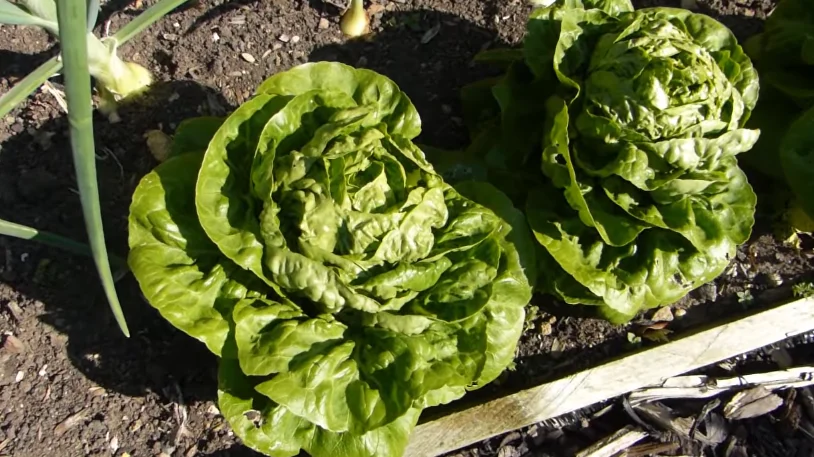
Lettuce
Lettuce is about as forgiving as vegetables get.
It grows in partial shade if it has to, doesn’t need much space, and you can start harvesting outer leaves within weeks.
What is a cut-and-come-again vegetable?
A cut-and-come-again vegetable is one where you harvest just the outer leaves and leave the plant growing, so it keeps producing instead of being harvested once and done.
Loose-leaf lettuce varieties work exactly this way, which stretches one planting into weeks of salads.
Radishes
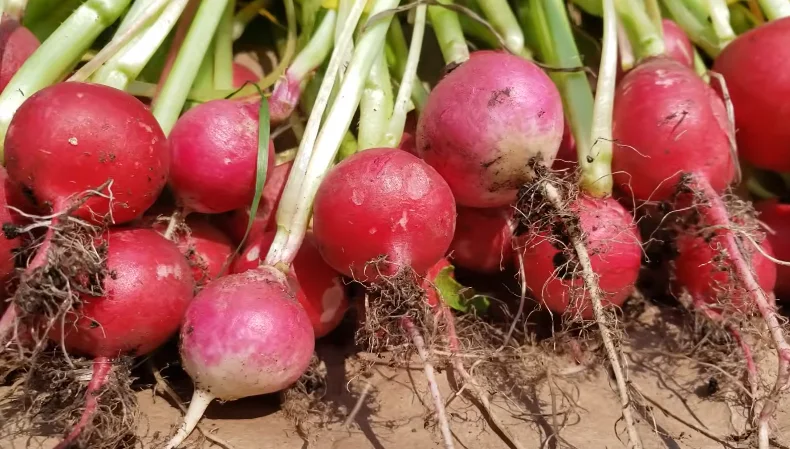
Radishes are often the first thing recommended to brand new gardeners, and for good reason.
Some varieties are ready in under a month, which makes them a fast confidence boost when you need one.
Cherry Belle is a classic, reliable variety if you want a specific starting point.
Bush Beans
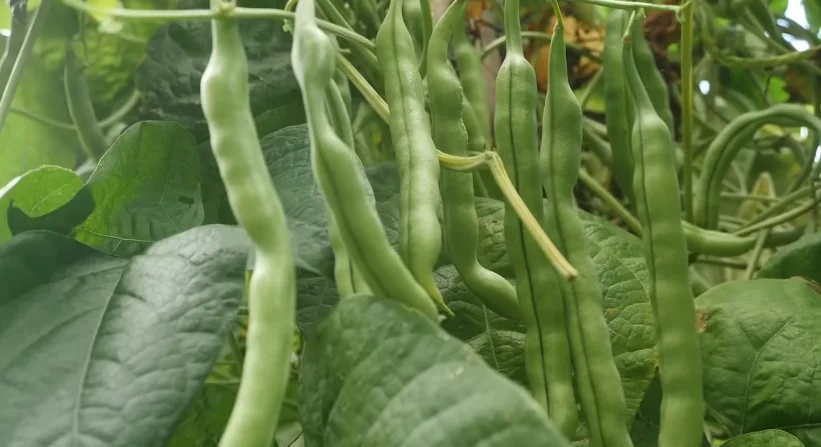
Bush beans don’t need a trellis or any support at all, you just plant them and they get on with it.
They’re also fairly pest tolerant compared to a lot of other vegetables, which matters a lot in your first year when you’re still learning to spot trouble.
A variety like Blue Lake is a common, dependable pick if you want a specific one to look for.
Quick Tip: For a longer harvest window, sow a new round of seeds every three weeks or so through late spring and into summer, rather than planting everything at once.
That way you’re not stuck with one giant harvest and then nothing for the rest of the season.
Zucchini and Summer Squash
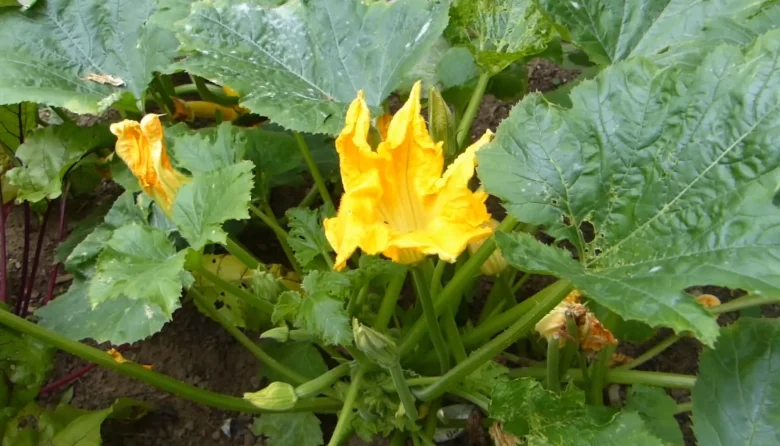
Zucchini has a reputation for producing more than any household actually needs, and honestly that reputation is earned.
One or two plants is plenty.
It grows fast, doesn’t demand much fussing, and rewards you generously for very little effort.
Cucumbers
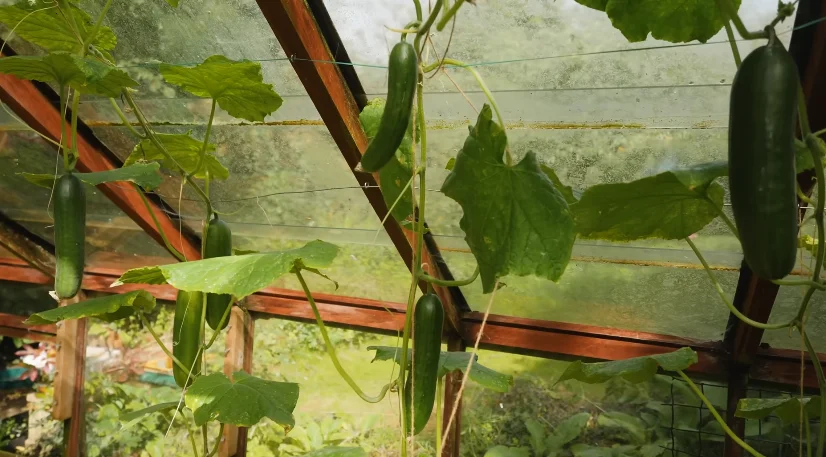
Cucumbers grow quickly and do well whether you let them sprawl or train them up a simple trellis to save space.
Keep the soil consistently moist and they largely take care of themselves.
Tomatoes (Cherry and Determinate Varieties)
Tomatoes get recommended constantly, but not all tomatoes are equally beginner-friendly.
Cherry varieties and determinate types are the more forgiving choice here, since they need less staking, less pruning, and generally shrug off minor neglect better than a towering indeterminate vine would.
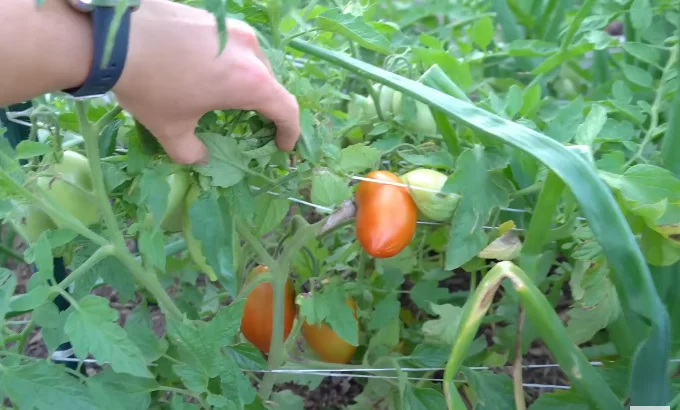
What’s the difference between determinate and indeterminate?
Determinate tomatoes grow to a set size, produce their fruit over a shorter window, and need less staking and pruning.
Indeterminate tomatoes keep growing and producing all season but need more support and regular attention.
For a first garden, determinate or cherry varieties are simply less work, and a cherry tomato plant left mostly alone will still hand you a steady trickle of fruit all summer.
Sungold is a well loved cherry variety worth looking for if you want a specific name to start with.
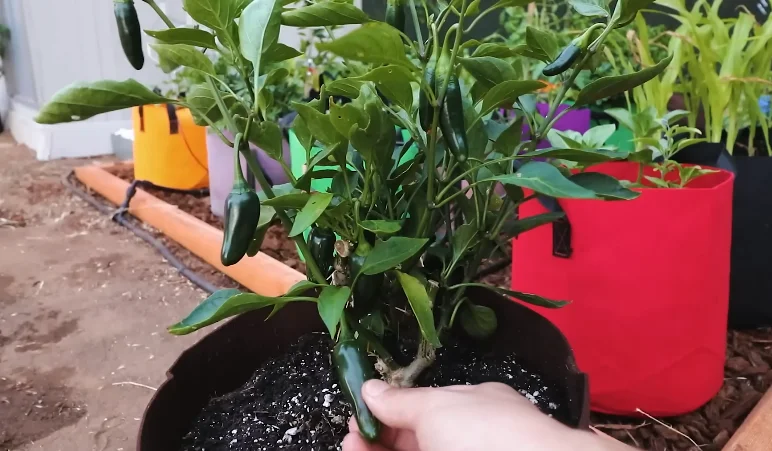
Peppers
Peppers take a little longer to get going than some of the other crops here, but once established they’re steady, low-maintenance producers.
Give them full sun and consistent watering and they’ll do the rest.
They’re also fairly forgiving of a missed watering here and there once mature, which is more than you can say for a lot of other warm-season crops.
Carrots
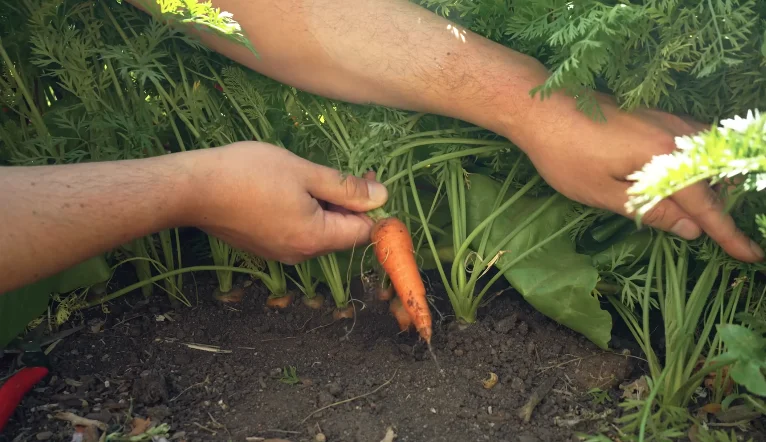
Carrots are easy once they germinate, the tricky part is keeping the soil consistently moist during that first couple of weeks while the seeds sprout.
Loose, rock-free soil helps a lot, since compacted or rocky soil causes forked, stunted roots.
If you’re unsure which varieties suit your climate, your local cooperative extension office often publishes region-specific variety recommendations worth checking.
Peas
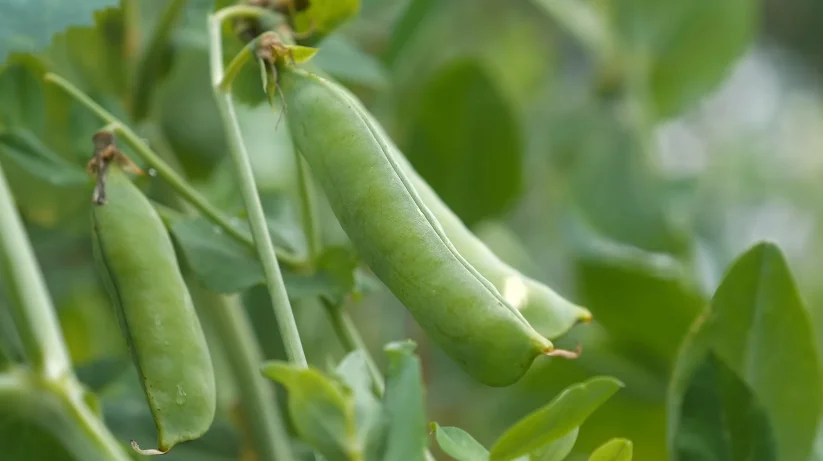
Peas are a cool-season crop that can go in the ground earlier than most people expect, well before your last frost in many climates.
A simple trellis or fence gives them something to climb, and they’re generally low-fuss once established.
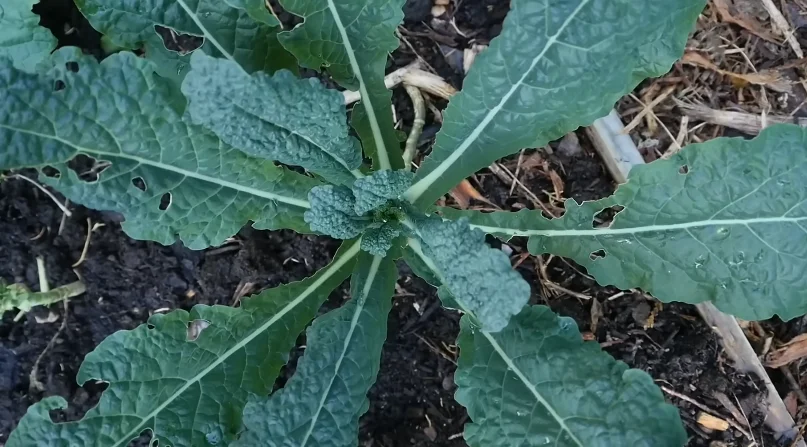
Kale
Kale is genuinely hard to kill, and its flavor actually improves after a light frost rather than being ruined by one.
It tolerates a bit of neglect better than most leafy greens.
Easiest Vegetables at a Glance
One bonus tip before the table, several of these vegetables give you more than one edible part.
Radishes have edible seed pods if you let a few plants flower, peas offer tender shoots and tendrils along with the pods, and beet greens are just as edible as the roots.
It’s a small way to get more out of the same amount of space.
Comparison Table: Difficulty, Sun Needs, Days to Maturity, Container-Suitable
| Vegetable | Difficulty | Sun Needs | Days to Maturity | Container-Suitable |
| Lettuce | Very easy | Partial to full sun | 45-55 days | Yes |
| Radishes | Very easy | Full sun | 25-30 days | Yes |
| Bush beans | Easy | Full sun | 50-60 days | Yes |
| Zucchini | Easy | Full sun | 45-55 days | Limited, needs a large pot |
| Cucumbers | Easy | Full sun | 50-65 days | Yes, with a trellis |
| Cherry tomatoes | Easy to moderate | Full sun | 60-70 days | Yes |
| Peppers | Moderate | Full sun | 60-90 days | Yes |
| Carrots | Moderate | Full sun | 60-75 days | Yes, in a deep pot |
| Peas | Easy | Full sun | 55-70 days | Yes, with support |
| Kale | Very easy | Full to partial sun | 50-65 days | Yes |
Best Vegetable to Grow by Goal
The best vegetable to grow depends on what you want from your first garden.
Some crops are best for speed, some are best for small spaces, and some give you more harvest with less work.
| Goal | Best Vegetable | Why It Works |
| Fastest harvest | Radishes | They can be ready in about a month and are easy to grow from seed. |
| Lowest effort | Bush beans | They grow well from seed and do not need much support or special care. |
| Best for containers | Lettuce | It has shallow roots, grows quickly, and works well in small pots. |
| Best for raised beds | Carrots | Loose raised bed soil helps carrots grow straighter and longer. |
| Best for kids | Peas | They are fun to pick, easy to snack on, and grow well in cool weather. |
| Best high-value crop | Cherry tomatoes | They produce a lot and often cost more at the store. |
| Best repeat harvest | Kale | You can pick outer leaves and let the plant keep growing. |
| Best for small spaces | Green onions | They take very little room and are useful in everyday cooking. |
| Best beginner herb | Basil | It grows well in warm weather and pairs with many garden vegetables. |
The Fastest Vegetables to Harvest
Easy and fast aren’t always the same thing, so if speed is what you’re after specifically, here’s the ranking by days to maturity.
- Radishes, as fast as 25 days
- Lettuce, around 45 days for a first harvest of leaves
- Peas, roughly 55 days
- Zucchini, around 45-55 days
- Bush beans, roughly 50-60 days
The 5 Easiest Vegetables If You’re Starting From Zero
If even this list feels like too many choices, start with just these five, lettuce, radishes, bush beans, cherry tomatoes, and kale.
That combination covers fast harvests, a slow-and-steady producer, and something green you can pick all season, without overwhelming a brand new gardener.
Vegetables That Are Easier in Raised Beds or Containers
Some vegetables become easier when the setup matches how they grow.
Why Raised Beds Make Some Vegetables Easier
Raised beds warm up earlier in spring and drain better than a lot of native soil, which genuinely helps root crops like carrots grow straighter, and gives warm-season vegetables like peppers and tomatoes an earlier, stronger start.
Vegetables to Go Easy On If You’re in Containers Only
Lettuce, radishes, bush beans, and peppers all do well in containers without much fuss.
Zucchini and full-size tomatoes need a genuinely large pot to avoid becoming stunted, so if space is tight, lean toward the smaller-footprint crops instead.
Our container gardening guide goes deeper on sizing if that’s your setup.
Vegetables Beginners Should Approach Carefully
Some crops are worth waiting on until you have a little more experience.
Corn is genuinely tricky for a first garden, not because it’s hard to grow, but because wildlife tends to find it before you do.
Brussels sprouts and other large, slow crops tie up a whole season of space for a modest harvest, which can be discouraging early on.
And cauliflower has a reputation for being finicky, it needs its heads blanched from sunlight to stay white, which is extra fuss most beginners don’t need yet.
Some crops are also just more disease-prone than others regardless of how well you care for them, tomato blight and basil downy mildew are two common examples.
This isn’t a reason to avoid them entirely, just a reason to specifically seek out resistant varieties rather than grabbing the first seed packet you see.
Common Mistakes When Choosing Beginner Vegetables
These mistakes are common because the plants look small at first, and seed packets make everything look possible.
Common Mistake: Picking vegetables because they sound exciting rather than because they’re practical is a common one, I did this myself with corn before realizing the raccoons in my neighborhood liked it more than I did.
Ignoring how much space a plant actually needs is another, a tiny squash seedling doesn’t look like it’ll take over half a bed, until it does.
Growing a disease-prone variety when a resistant one exists is an easy trap too, a quick look at seed packet descriptions usually flags this before you plant.
Frequently Asked Questions
What are the easiest vegetables to grow for beginners?
Lettuce, radishes, bush beans, zucchini, and kale are among the most forgiving choices for a first garden.
What vegetables grow the fastest?
Radishes are typically the fastest, ready in as little as 25 days, followed by lettuce and peas
Can beginners grow vegetables in containers?
Yes, lettuce, radishes, bush beans, and peppers all do well in containers without much extra effort.
What vegetables should beginners avoid?
Corn, Brussels sprouts, and cauliflower tend to be more frustrating for a first garden due to pests, space needs, or extra fuss.
Do easy vegetables need less sun than others?
Not necessarily. Most easy vegetables still want a good amount of sun, though a few, like lettuce and kale, tolerate partial shade better than most.
How many vegetables should I plant my first year?
Five to seven different vegetables is plenty for a first garden.
Any more and it gets hard to keep up with watering, weeding, and harvesting all of it.
What to Do Next
Once you’ve picked your vegetables, the next step is actually getting them in the ground at the right depth and spacing.
Our how to plant vegetables guide picks up exactly where this one leaves off.
References
- University of Minnesota Extension, Growing Radishes
Useful for the radish section because it states radishes prefer cooler conditions, can be planted in spring and again in August, and are often harvested three to five weeks after planting. (University of Minnesota Extension)- Illinois Extension, Cool-Season Vegetables
Strong source for explaining cool-season vs warm-season vegetables. Illinois Extension groups tomatoes, peppers, zucchini, eggplant and cucumber as warm-season crops and broccoli, peas, carrots, kale, turnips and Asian greens as cool-season crops. (Illinois Extension)- All-America Selections
Useful when discussing variety selection. AAS winners are tested nationally and evaluated for garden performance by horticulture professionals across North America. (All-America Selections)