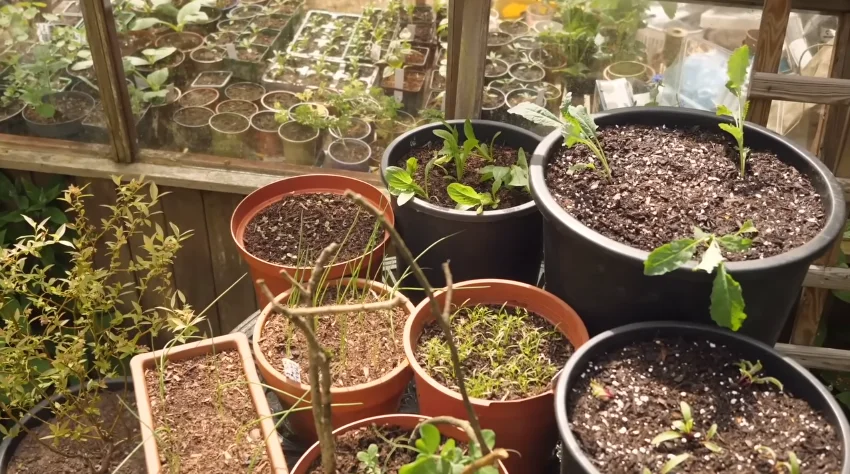
My first container garden was a handful of nursery pots crammed onto a tiny apartment balcony, no yard, no raised bed, just concrete and a few hours of afternoon sun.
I honestly expected it to be a consolation prize compared to real garden beds. Then one of those pots handed me more cherry tomatoes than I knew what to do with, and I stopped thinking of containers as second best.
This guide covers the best vegetables to grow in containers, why containers actually work so well, and enough of the basics, size, soil, watering, to get you started. For the deeper dive on soil prep and watering schedules, we’ll link you to our dedicated guides along the way.
I’ll admit not everything I’ve tried in containers has worked out. Root vegetables that need real depth, like parsnips, have consistently disappointed me in pots no matter how deep the container, some crops are just better left to the ground or a raised bed.
Overview: Best and Easiest Vegetables for Containers
- Tomatoes (dwarf or determinate varieties)
- Peppers
- Lettuce and salad greens
- Bush and pole beans
- Carrots
- Beets
- Swiss chard
- Kale
- Eggplant
- Potatoes
- Cucumbers
- Squash and zucchini (compact varieties)
Why Grow Vegetables in Containers
What makes a vegetable good for containers? A vegetable does well in a container if it has a manageable root system, doesn’t need a huge amount of space to sprawl, and can thrive in a smaller volume of soil than an in-ground garden bed provides.
Containers Warm Up Faster, Extending Your Season
Soil in a container heats up quicker in spring than soil in the ground, and it holds onto that warmth through summer too.
This is genuinely useful if you’re in a cooler climate or a short growing season. Heat-loving crops that might struggle to fully mature outdoors in the ground often do better with the extra warmth a container provides.
Containers Solve Space and Soil Problems
Containers let you garden almost anywhere, a patio, a driveway, a rooftop, spots where the ground itself isn’t an option at all.
They’re also a smart workaround for soil issues you can’t easily fix, contamination, tree roots competing for nutrients, or soil quality that’s just never going to be great no matter how much compost you add.
Key Takeaway: Containers warm up faster than garden soil and let you garden in spaces where in-ground planting simply isn’t possible.
Why Variety Choice Matters More in Containers
Not every tomato plant, squash, or cucumber variety is built the same, and this matters a lot more in a pot than it does in the ground.
Look for words like dwarf, compact, bush, or determinate on seed packets and plant tags. These terms signal a variety bred to stay smaller and more manageable, exactly what you want when your growing space is limited to the size of a pot rather than an open bed.
Common Mistake: Planting a full-size, sprawling variety in a container almost always leads to disappointment, either the plant outgrows its pot, or it puts so much energy into vining that it produces less food than a compact variety would in the same space.
Best Vegetables to Grow in Containers
Tomatoes
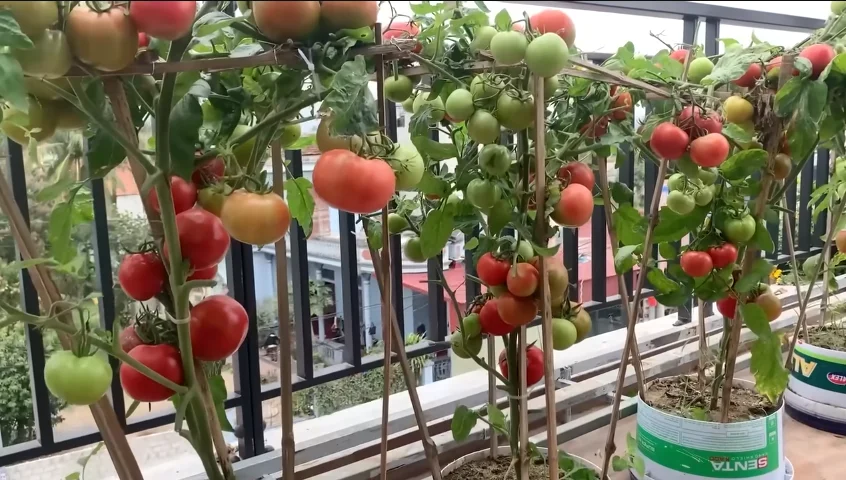
Look for dwarf or determinate varieties specifically, they stay compact and need little to no staking. Tumbling Tom and Patio Princess are both reliable, widely available cultivars bred specifically for pots.
Full-size indeterminate tomatoes can technically work in a large enough container, but they’ll need serious support and much more room than most patio setups have to offer.
Peppers
Peppers genuinely love the extra heat a container provides, both sweet and hot varieties do well. Lunchbox peppers are a good compact sweet variety worth seeking out if you want something reliably container-sized.
Compact hot pepper varieties look especially striking in a pot once they’re loaded with colorful fruit.
Lettuce and Salad Greens
Lettuce is about as forgiving as container vegetables get, shallow roots, quick harvests, and it doesn’t mind a bit of shade either. Buttercrunch is a classic, reliable cultivar that holds up well in a pot.
Loose-leaf varieties let you harvest a few leaves at a time and keep the plant producing for weeks.
If your space runs hot in summer, malabar spinach is worth trying too, it’s a heat-loving vine that stands in for regular spinach once the weather gets too warm for the real thing.
Bush and Pole Beans
Bush beans stay compact and need no support at all. Pole beans need something to climb, a small trellis works, and they’re a great option if you want to use vertical space on a balcony rail or fence.
Provider is a solid, widely available bush bean cultivar if you want a specific starting point.
Beans are also one crop I’d genuinely recommend direct sowing straight into the container rather than starting indoors and transplanting, they tend to resent having their roots disturbed, and container growing already gives you enough of a head start on warmth.
Carrots
Choose short, round varieties for shallow containers, a long carrot needs real depth to grow straight.
Quick Tip: Carrot tops are edible too, so nothing goes to waste even if a root or two comes out a little stubby.
Beets
Beets earn their spot on this list twice over, the root is a solid storage crop, and the leafy greens are just as edible, often prized in salads for their color.
Swiss Chard
Chard keeps producing new leaves all summer long, right through the heat that makes lettuce and spinach bolt and turn bitter.
If you want a steady supply of greens without replanting mid-season, chard is hard to beat.
Kale
Kale holds up beautifully in containers and keeps going well past the first light frosts of fall, giving you a genuinely long harvest window from one planting.
Eggplant
Eggplant loves heat and full sun, and it’s honestly one of the more ornamental vegetables you can grow, the flowers alone are worth having around.
Potatoes
Potatoes work surprisingly well in containers, especially fingerling varieties suited to smaller harvests.
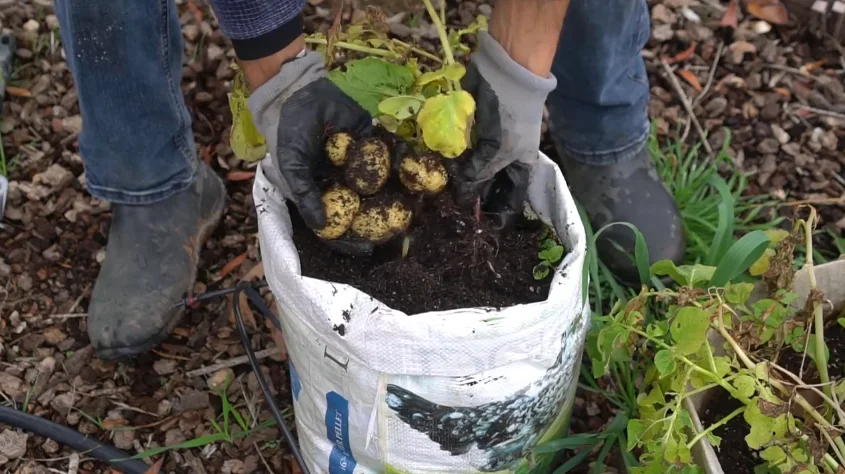
Common Mistake: Letting developing potatoes get exposed to sunlight turns them green, which isn’t something you want to eat. Start with just a few inches of soil at the bottom of the container and keep adding more as the plant grows, burying the tubers as you go.
Cucumbers
Cucumbers do well in containers as long as you keep the soil consistently moist, they dry out fast and don’t forgive being neglected for long.
A small trellis helps keep vines up and off the container’s edge.
Squash and Zucchini
Look specifically for compact or “bush” squash varieties bred for small spaces. A full-size sprawling squash plant needs a genuinely enormous container and more fertilizer than most gardeners want to deal with.
Okra
Okra loves heat as much as peppers and eggplant do, and it holds up well in a container as long as it gets consistent sun. It’s an underused pick that deserves more attention from container gardeners than it usually gets.
Leeks
Leeks are slower growing than most vegetables on this list, but they take up very little horizontal space, making them a smart choice if you want to tuck something productive into a narrow gap between larger pots.
What If Your Space Gets Less Sun
Not every patio or balcony gets the full 6-plus hours of sun most vegetables want.
If your space leans shadier, lettuce, kale, and Swiss chard are your best bets, all three tolerate partial shade far better than fruiting crops like tomatoes and peppers, which really do need that full sun to produce well.
Sun Needs at a Glance
| Sun Level | Vegetables That Do Well |
|---|---|
| Full sun (6+ hours) | Tomatoes, peppers, eggplant, cucumbers, squash, okra |
| Partial shade tolerant | Lettuce, kale, Swiss chard, beets, carrots |
Container Size and Depth Guide
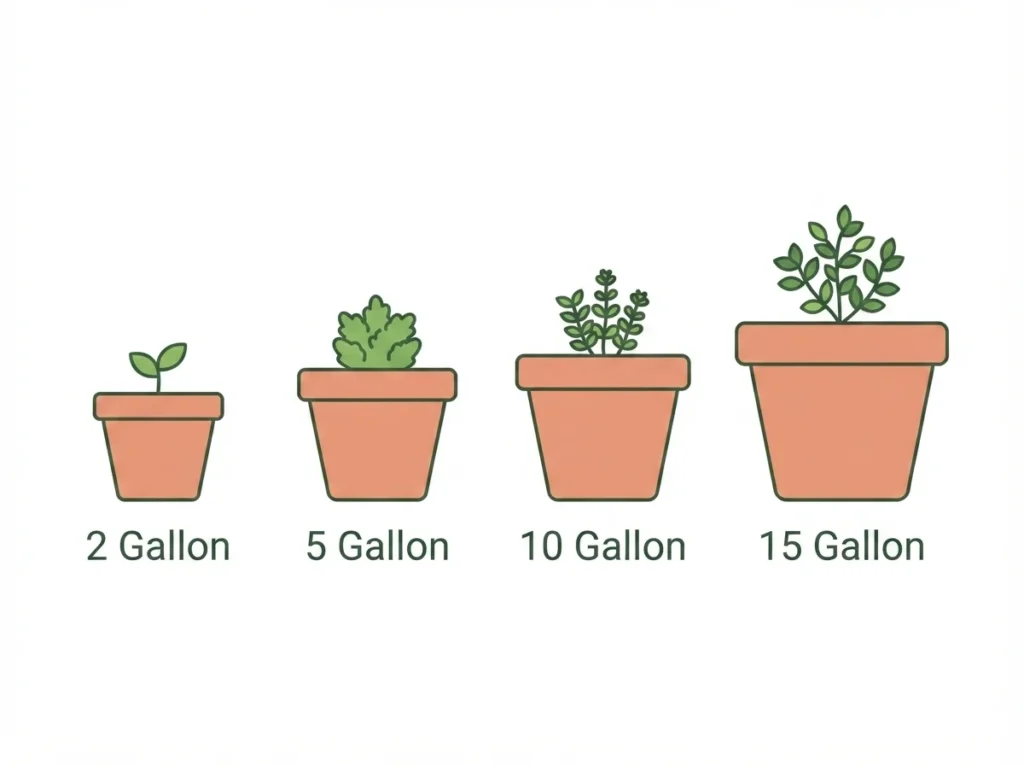
Container size is the single most overlooked detail in growing vegetables successfully in pots, and it’s worth getting right from the start.
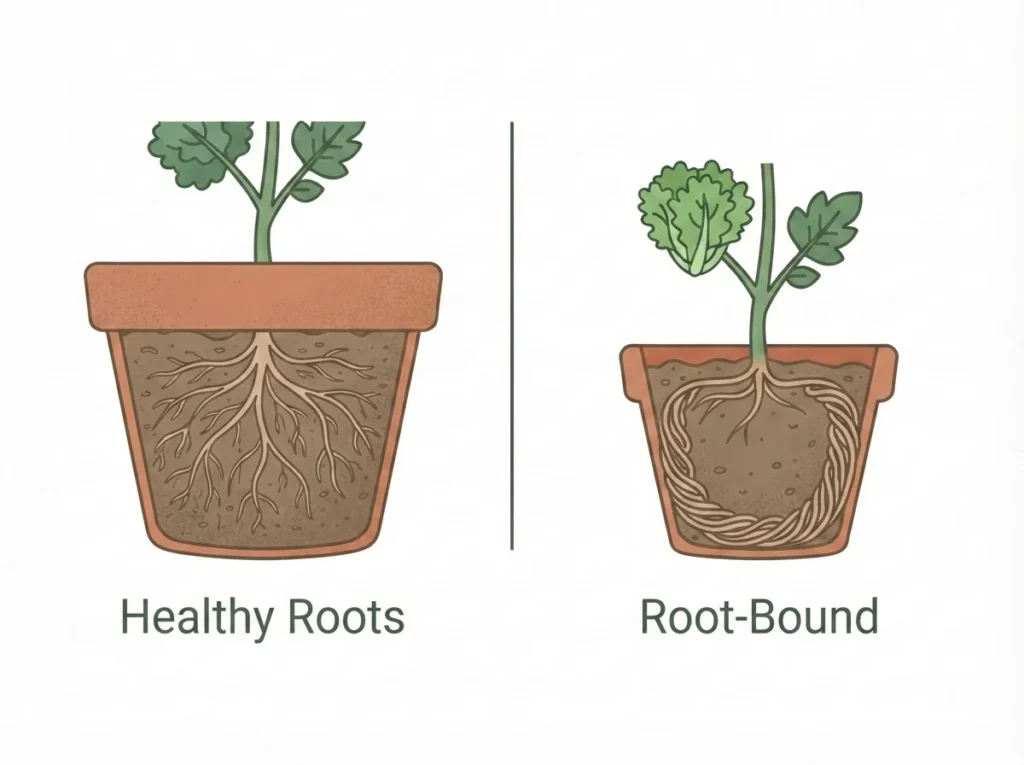
A container that’s too small leaves roots with nowhere to go, they end up root-bound, circling the inside of the pot instead of spreading out, which stunts the whole plant.
Container Size Table by Vegetable
| Vegetable | Minimum Container Size | Minimum Depth |
|---|---|---|
| Tomatoes (dwarf/determinate) | 5 gallons | 12 inches |
| Peppers | 3-5 gallons | 10 inches |
| Lettuce and greens | 2 gallons | 6-8 inches |
| Bush beans | 3 gallons | 8 inches |
| Carrots | 2-3 gallons | 10-12 inches |
| Beets | 2-3 gallons | 8-10 inches |
| Swiss chard | 3 gallons | 8 inches |
| Kale | 3-5 gallons | 8-10 inches |
| Eggplant | 5 gallons | 12 inches |
| Potatoes | 10-15 gallons | 12-18 inches |
| Cucumbers | 5 gallons | 12 inches |
| Squash (compact) | 5-10 gallons | 12 inches |
Grow bags are worth considering as an alternative to rigid pots, they’re lightweight, affordable, and their fabric sides actually help prevent roots from circling the way they sometimes do in plastic containers.
Comparing Your Container Options
| Container Type | Drying Rate | Cost | Weight |
|---|---|---|---|
| Plastic pots | Moderate | Low | Light |
| Terracotta | Fast, porous walls lose moisture | Moderate | Heavy |
| Fabric grow bags | Fast | Low | Very light |
| Self-watering planters | Slow, built-in reservoir | Higher | Moderate |
Soil, Drainage, and Watering Basics for Container Vegetables
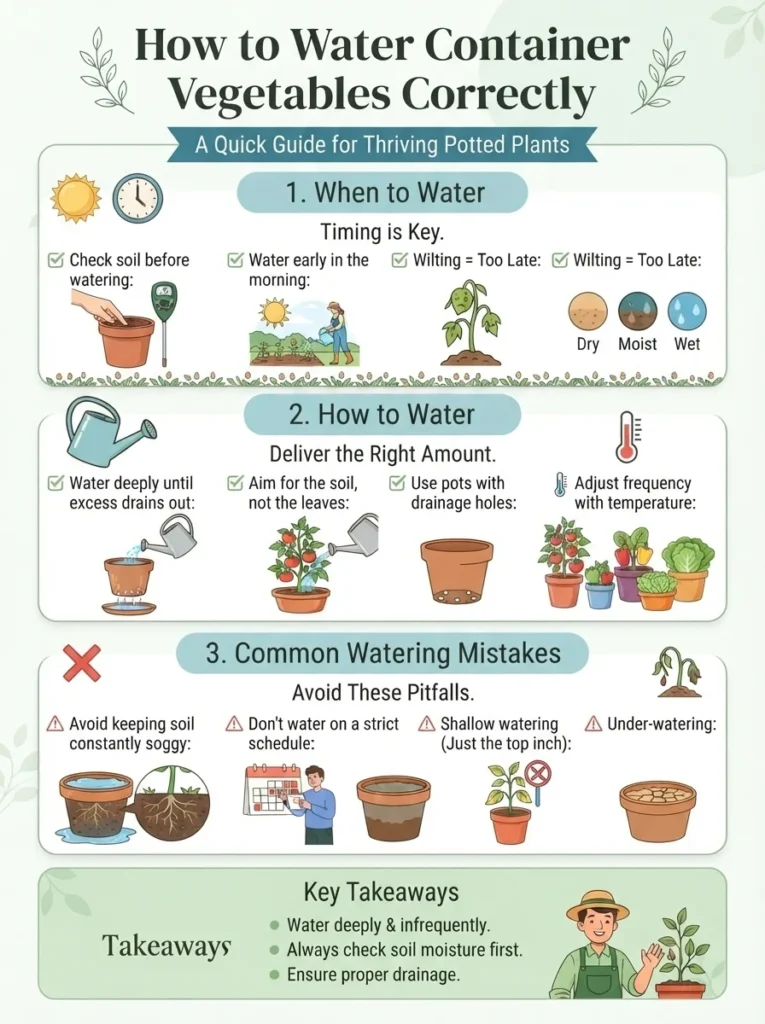
This section covers just the essentials, for a deeper dive on soil prep and watering schedules, our soil preparation guide and watering guide go much further.
Choosing a Potting Mix
Skip regular garden soil for containers, it compacts too densely in a pot and drains poorly. Use a quality potting mix instead, ideally one blended with compost for added nutrients.
Your local cooperative extension office often publishes container gardening basics tailored to your specific region too, worth a quick search if you want more localized guidance.
Why Drainage Holes Matter
Every container needs drainage holes, without them, water pools at the bottom and drowns the roots instead of draining away.
If you love a decorative pot that doesn’t have holes, just use it as an outer shell and keep your plant in a properly draining pot inside it.
How Often to Water Container Vegetables
Containers dry out much faster than garden soil, often needing water daily during hot summer weather.
Check by pushing a finger an inch into the soil, if it’s dry there, it’s time to water. For a full breakdown of watering frequency and technique, see our guide on how often to water your vegetable garden.
Self-Watering Containers as an Option
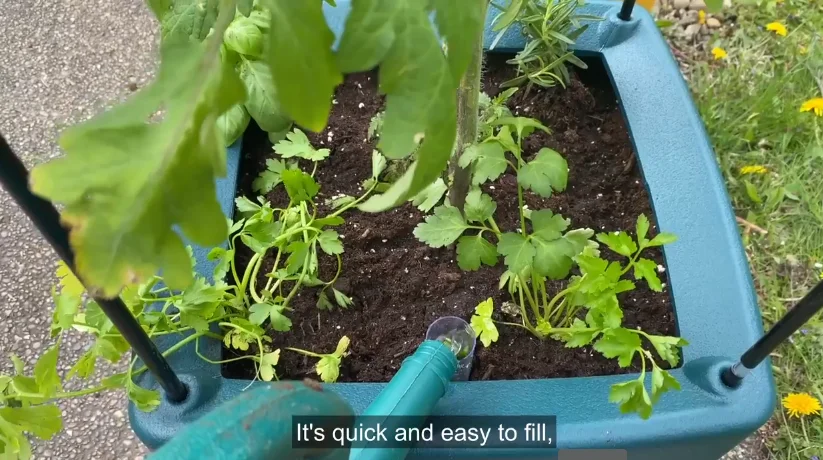
If daily watering isn’t realistic for your schedule, self-watering or sub-irrigated planters are worth a look.
They hold a small reservoir of water at the base that the soil draws from as needed, which can meaningfully cut down how often you need to actually pick up a watering can.
Straw bale gardening is another alternative worth mentioning, growing vegetables directly in a conditioned bale of straw instead of a traditional pot.
It’s less common, but it’s a genuinely workable option if you like the idea of a container that eventually breaks down into compost of its own.
Fertilizing Container Vegetables
Container soil runs out of nutrients faster than garden soil does, simply because there’s less of it and regular watering gradually washes nutrients out the drainage holes.
Feed container vegetables every 2 to 3 weeks with a balanced liquid fertilizer during the growing season, a bit more often than you’d typically feed the same crop growing in the ground.
Common Mistakes
Choosing a container too small for the vegetable is probably the most common mistake, and it’s an easy one to make when a tiny seedling doesn’t look like it needs much room at all yet.
Using regular garden soil instead of a proper potting mix is another, it seems like it should work, but it compacts and drains poorly in a container.
Underestimating how often containers need water trips up a lot of beginners too, what works for an in-ground bed simply isn’t enough for a pot baking in the sun all day.
Common Mistake: Forgetting to fertilize regularly is easy to overlook, since container plants can look fine for a while even as nutrients quietly run low.
Frequently Asked Questions
Do container vegetables need more water than garden vegetables?
Yes, containers dry out much faster than garden soil, often needing daily watering during hot weather.
What vegetables should you avoid growing in containers?
Full-size, sprawling varieties of squash, melons, or indeterminate tomatoes generally aren’t practical for containers, look for compact or dwarf versions instead.
Can I reuse potting soil from last year?
You can, but refresh it with fresh compost first, since nutrients get depleted over a season and old soil can also carry over pests or disease.
How much sun do container vegetables need?
Most fruiting vegetables like tomatoes and peppers want at least 6 hours of direct sun a day. Leafy greens like lettuce and kale can get by with less.
What to Do Next
Once you’ve picked your vegetables and containers, the next step is actually getting everything planted at the right depth and spacing. Our how to plant vegetables guide picks up right where this one leaves off.
