
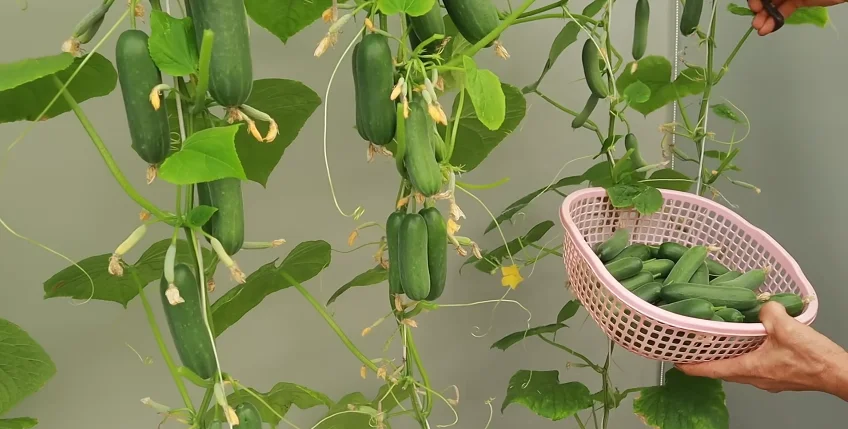
The first time I trellised a cucumber plant, I honestly wasn’t expecting much. I’d spent the whole summer before crawling around in the dirt hunting for cucumbers hiding under sprawling vines.
That next season, with a simple trellis, I was picking them standing up, at eye level, like I was shopping my own backyard produce aisle. It completely changed how I felt about growing vining crops.
This guide covers the whole journey of vertical gardening, why it works, what structures to use, what to grow, and how to keep it all going through the season.
One quick scope note: detailed step-by-step trellis building, like cutting and assembling a specific structure, lives in a separate tutorial we’ll link to later. This guide focuses on the bigger picture, choosing the right approach and getting it set up.
Quick Overview
- Pick a sunny spot with room for a tall structure
- Choose a trellis type or budget-friendly alternative
- Match the height and sturdiness to what you’re growing
- Set it up with proper anchoring and orientation
- Plant on the outside edge, not the inside
- Water and prune regularly through the season
Let’s walk through each step properly.
What Is Vertical Gardening
Vertical gardening is simply growing plants upward instead of letting them ramble across the ground.
Instead of a squash vine sprawling over 20 square feet, you train it up and over a trellis, shrinking its actual footprint down to just a few square feet.
Bottom Line: Vertical gardening trades ground space for height, letting you grow more in less room.
For more basic details read my complete guide on how to start garden.
Is Vertical Gardening Right for Your Space
Before you commit to a structure, it’s worth checking a few things first.
You’ll need:
- At least 6 hours of direct sun for most climbing vegetables
- Enough clearance for a structure that’s 6 feet tall or more
- Access to install it, whether that’s driving stakes into soil or attaching panels to an existing fence
If you’re working with an existing raised bed, a small yard, or even just a sunny fence line, you likely already have what you need. This isn’t a project that requires a big renovation to get started.
Why Grow Vertically
There’s more to this than just saving space, though that’s the headline benefit most people think of first.
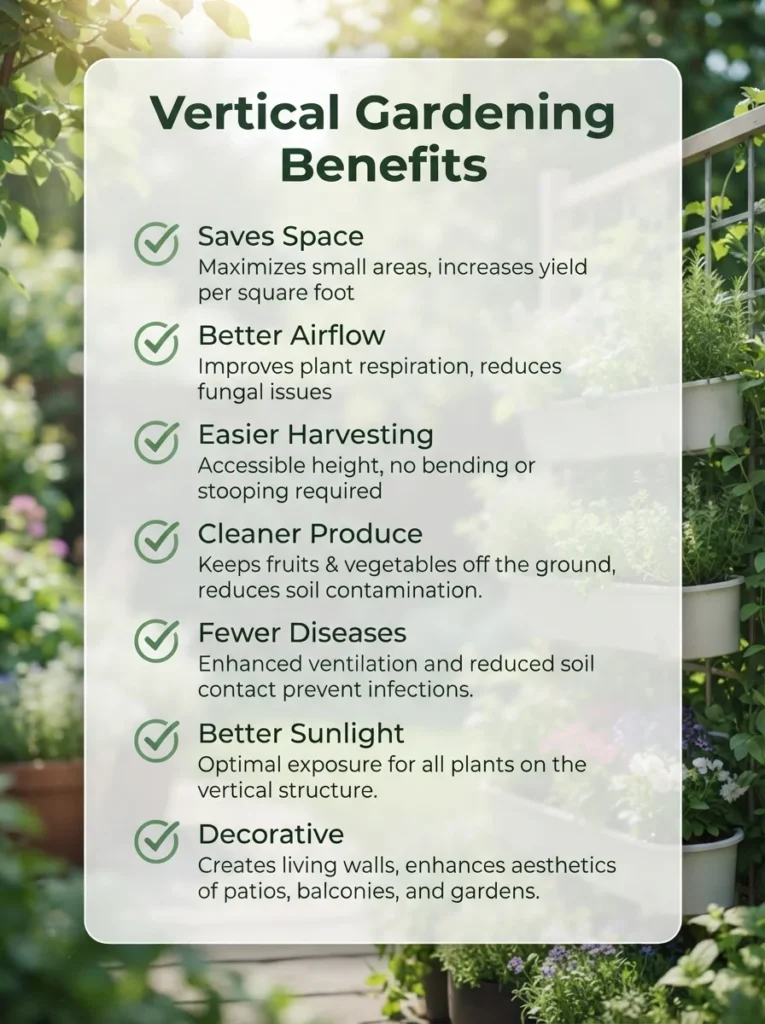
Saves Space
When vegetables grow on the ground, every sprawling vine eats up real estate that other plants could be using.
A trellis works like a high-rise apartment for your plants. Instead of letting cucumbers, beans, or squash spread out, you invite them to grow up instead of out, which means you can fit more into the same bed.
I once let a butternut squash take over half a garden bed before I added a trellis. The next season, that same squash politely climbed the frame, freeing up room for greens and radishes underneath. Saving that much space also lets you experiment more without needing to add new beds at all, you can plant peas in spring, swap in pole beans for summer, and let fall peas take over the same structure again once the weather cools.
Improves Airflow and Plant Health
Plants grown on a trellis get their own space in the sun instead of piling on top of each other at ground level.
That extra breathing room matters more than it sounds. Leaves that stay off the ground avoid the splashback from rain and watering that keeps foliage damp, and damp foliage is exactly what invites fungal and bacterial problems in the first place.
Common Mistake: Skipping the trellis on tomatoes specifically tends to create a humid little jungle in the middle of a garden bed. Training the vines upward instead genuinely reduces disease pressure.
Makes Harvesting Easier
Finding produce is a lot simpler when it’s hanging at eye level instead of hidden under a tangle of leaves on the ground.
Picking standing up saves your back and your knees, and it also means you’re far less likely to miss fruit that’s ready. Ground-level harvesting has a way of hiding vegetables until they’re overripe.
Reduces Overcrowding and Increases Sunlight
Lifting vining plants up and off the ground frees up space at soil level for other crops entirely, no more squash sprawling over your herbs or cucumbers smothering your lettuce.
It also means more sunlight reaches everything, since vertical growth isn’t shading out neighboring plants the way ground-level sprawl does.
Key Takeaway: Vertical gardening saves space, improves airflow, makes harvesting easier, and reduces overcrowding, all from one simple structure.
Types of Trellises and Vertical Structures
What is a trellis? A trellis is any structure, whether purchased or homemade, that gives climbing plants something to grab onto and grow up instead of sprawling across the ground.
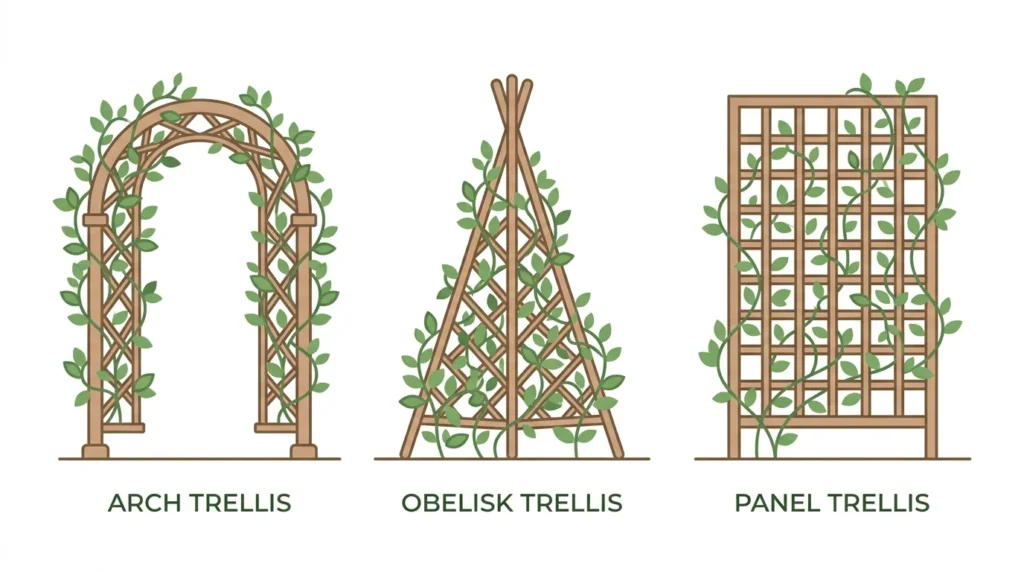
Arch Trellises
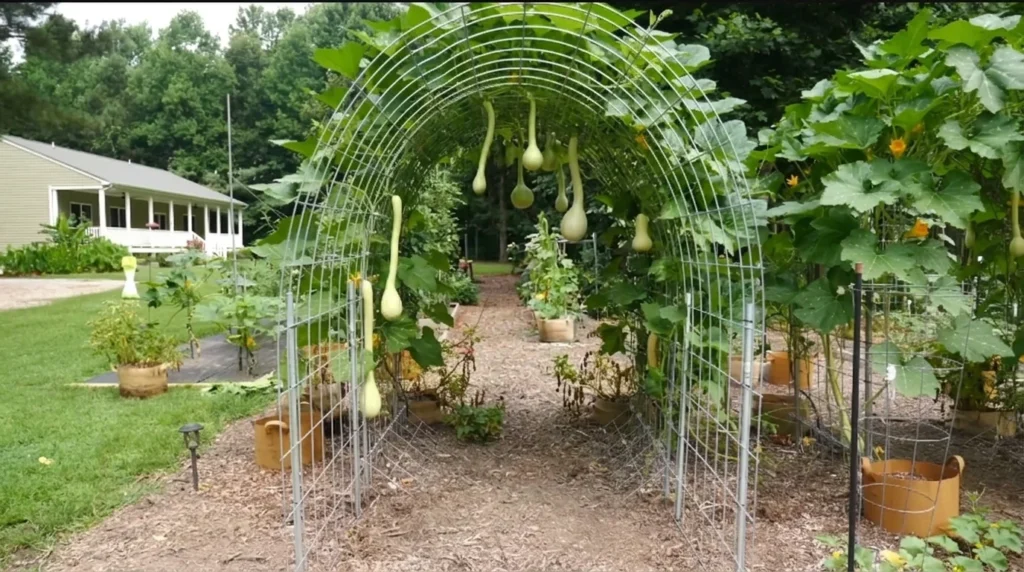
Arch trellises work beautifully connecting two raised beds, essentially creating a brand new growing space in midair.
Warning: Don’t place an arch trellis over just one bed, it’ll shade out the growing space underneath, which defeats the purpose entirely.
By midsummer, an arch covered in vining plants turns a simple walkway into a genuinely beautiful, productive tunnel, with ripe produce hanging down at eye level as you walk through it.
Obelisk Trellises
An obelisk trellis looks like a teepee and works well centered in a square raised bed.
They’re a good match for lighter climbers, peas, fava beans, pole beans, and smaller tomato varieties, and they fit neatly into both raised beds and containers. Their tall, narrow shape draws the eye upward too, which makes even a small garden feel a bit grander than it is.
Panel Trellises
Panel trellises are some of the most versatile structures out there. Positioned along a fence line or the back of a bed, they support larger vegetables without crowding out smaller crops in front.
Placed down the center of a wide bed, they effectively double your vertical growing space, one surface on each side. They also work well for mixing in perennial plants or fruiting canes alongside your annual vegetables, giving a bed that produces food while still looking intentional and tidy.
Budget and DIY Alternatives
Some popular budget-friendly options include:
- Welded wire: A versatile choice that can be cut to size and attached to wooden or metal posts. It’s durable and works well for most climbing vegetables.
- T-posts: Strong metal posts that provide a sturdy frame for wire panels, netting, or fencing.
- Cattle panels: A favorite for creating long-lasting arches and heavy-duty trellises capable of supporting large crops like squash and melons.
- Chicken wire: An economical option for lightweight climbers such as peas and beans, though it’s less durable than heavier materials.
- Recycled fencing or old bed frames: Repurposed materials can make excellent trellises while reducing waste and saving money.
- Garden trellis netting: Lightweight, inexpensive, and easy to install, making it a good choice for seasonal vegetable gardens.
Tip: Compare materials based on durability, ease of installation, and the weight of the crops you plan to grow rather than price alone. A slightly more durable support can often last for many growing seasons, making it a better long-term investment.
Trellis netting is another affordable option worth knowing about, lightweight, easy to attach to almost any frame, and cheap enough to replace each season if needed.
Comparison Table: Trellis Types and Materials by Cost, Durability, and Best Use
| Material | Typical Cost | Durability | Best For |
|---|---|---|---|
| Arch trellis | Premium | High | Heavy climbers and walkways |
| Obelisk trellis | Moderate | High | Containers and small beds |
| Panel trellis | Moderate | High | Vegetables along fences or beds |
| Welded wire | Budget-friendly | High | DIY vegetable gardens |
| Cattle panels | Budget-friendly | Very High | Heavy crops and arches |
| Chicken wire | Low-cost | Medium | Peas and lightweight vines |
| Trellis netting | Low-cost | Medium | Seasonal gardens |
How Tall and Sturdy Should Your Trellis Be
As a general rule, taller is better. Vining plants keep growing all season, and a short or flimsy trellis leaves you with a tangled mess by midsummer.
Height Guide by Plant Weight
Not every plant needs the same structure, and matching height to weight saves you money and headaches.
- Light climbers (peas, beans, small herbs): a 4-5 foot structure is usually enough
- Medium climbers (cucumbers, smaller tomato varieties): aim for at least 6 feet
- Heavy climbers (squash, melons, indeterminate tomatoes): go as tall and sturdy as you can, 6-8 feet with a strong frame
Remember: A trellis built for peas won’t hold up under a heavy squash vine. Match your structure’s strength to what’s actually growing on it.
How to Set Up a Trellis
Choosing a Location and Orientation
Pick a spot with plenty of sun and enough room to comfortably tend and harvest around it.
Quick Tip: Running your trellis north to south, when possible, helps all sides of the plant get good light throughout the day.
Wind exposure is worth a thought too. A tall structure loaded with fruit catches more wind than you’d expect, so an especially exposed, breezy spot may need extra anchoring or a slightly shorter structure.
Anchoring Your Trellis
Press the base at least 12 inches into the soil, this gives it the stability to handle wind and the weight of a full harvest.
Wooden trellises need extra care here, anchor them well so they don’t topple once plants really take off. Metal and steel structures have some weight working in their favor already, but still deserve a firm footing.
Planting on the Outside Edge
Plant your seeds or seedlings on the outside edge of the trellis, not the inside.
This small detail boosts airflow, maximizes sunlight, and makes future pruning and harvesting much easier, you won’t be reaching through a wall of vines to get to your plants.
What to Grow in a Vertical Garden
Vegetables
- Pole beans
- Tomatoes
- Cucumbers
- Sugar snap peas
- Fava beans
- Zucchini (trained carefully)
- Squash
- Melons
- Pumpkins (yes, really)
Herbs, Flowers, and Greens
- Mint (trails beautifully, but keep it contained)
- Vining thyme varieties
- Nasturtium (edible leaves and flowers)
- Passionflower
- Climbing or trailing flowering vines
Can You Grow Different Plants on the Same Trellis
Yes, absolutely. Mixing plants on one structure works fine, just keep a couple things in mind.
If you want a more cohesive look, growing plants from the same family side by side tends to look more intentional. And since different plants often have different water needs, it can simplify care to group similar ones together.
Vertical Gardening in Small Spaces
If you’re working with a balcony, small patio, or a single narrow bed, vertical gardening might be the single most useful technique available to you.
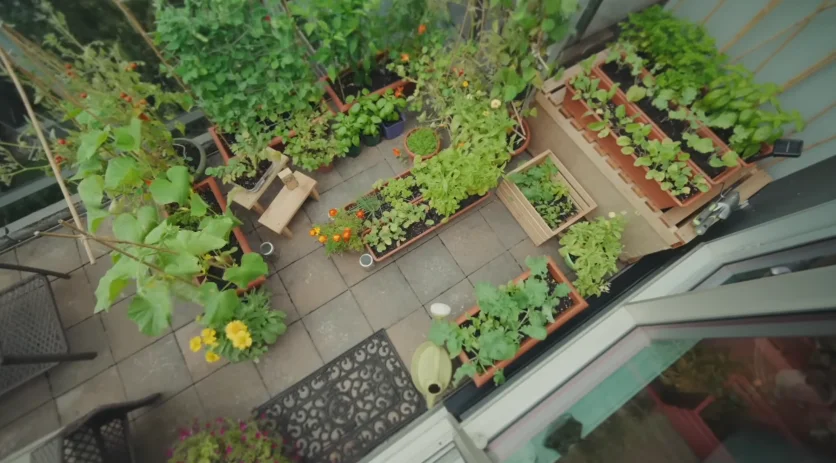
A panel trellis against a fence or wall takes up almost no floor space while still giving you real growing room. Obelisk trellises work well in containers too, since their compact footprint suits a pot far better than a sprawling vine ever could.
Even a modest structure, one obelisk in a large container, can turn a few square feet of patio into a genuinely productive little garden. I’ve seen renters with nothing more than a sunny fire escape grow a respectable haul of cucumbers this way, proof that square footage matters less than most people assume.
Watering Considerations
Plants trained upward don’t always have the same watering needs as ones sprawling at ground level.
A trellis positioned against a wall or fence, especially one that reflects afternoon heat, can dry out the surrounding soil faster than an open bed would. Check soil moisture near the base of vertical plants a little more often than you might elsewhere in the garden, particularly during hot stretches.
Container-grown vertical setups need even closer attention, since a pot holds far less soil volume than an in-ground bed and can dry out within a single hot afternoon.
Maintaining Your Vertical Garden
Pruning and Training
Plan on a weekly pass through your vertical garden with pruners in hand.
Remove any damaged, yellowing, or diseased leaves near the base first. Then trim extra growth that isn’t contributing to fruit production, so the plant’s energy goes where it actually matters.
Quick Tip: For peas, snip off late-season shoots that won’t have time to produce, so the plant focuses on ripening what’s already there. For tomatoes, keep the suckers but prune non-fruiting leafy stems instead.
Tying Plants to the Structure
As plants grow, gently tie the main stems to your trellis with twine, working your way up as the season progresses.
This keeps the plant supported all the way to the top of the structure rather than flopping over partway up.
Seasonal Takedown and Storage
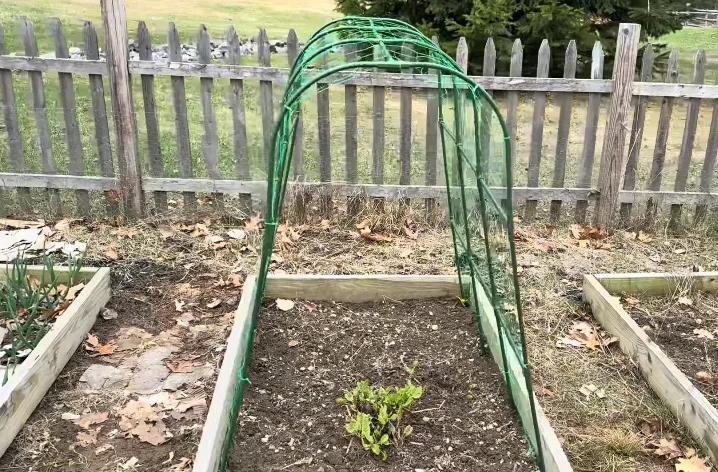
At the end of the season, many DIY structures, especially clothesline-style setups or lightweight netting, can simply be taken down and stored until next spring.
This is one of the quieter advantages of budget materials, they’re often easier to pack away for winter than a heavy, permanent commercial trellis would be.
Common Mistakes
Choosing a trellis too short or flimsy for what’s growing on it is probably the most common one, and it’s an easy mistake to make before you’ve seen how big a vine actually gets.
Planting on the inside of the trellis instead of the outside is another, it seems minor, but it makes pruning and harvesting genuinely harder all season.
Not anchoring deep enough is a mistake that only shows up later, usually right when a summer storm rolls through and a heavily loaded trellis is at its most vulnerable.
Mixing budget materials without checking their actual weight limits is a subtler one, chicken wire holds up fine for peas but will sag and eventually fail under a heavy squash vine, so match your material to your plant the same way you’d match height.
Common Mistake: Skipping weekly pruning and tying is easy to let slide, but a few missed weeks can turn a tidy vertical garden into a tangled one fast.
Frequently Asked Questions
What vegetables grow well vertically?
Pole beans, cucumbers, tomatoes, peas, squash, and even melons and pumpkins all do well trained up a sturdy trellis.
Can you grow different plants on the same trellis? Yes, though grouping plants with similar water needs makes care easier, and staying within the same plant family can give a more cohesive look if aesthetics matter to you.
Is vertical gardening good for small spaces?
Yes, it’s one of the best techniques for balconies, patios, and small beds, since it adds growing space upward instead of requiring more ground area.
Do I need special seeds for vertical gardening?
No, regular vegetable seeds work fine. What matters is choosing varieties that naturally vine or climb, rather than bush varieties that won’t reach for a trellis on their own
Does vertical gardening reduce pests?
It can help. Lifting fruit up off the ground keeps it out of easy reach of many ground-level pests, and better airflow makes the whole plant less inviting to certain insects and fungal issues.
What to Do Next
Once your vertical garden is up and growing, the next step is usually diving into plant-specific care for whatever you’ve planted. Our tomato and cucumber growing guides pick up right where this one leaves off.
